


For thousands of years, ordinary barbers handled circumcisions across villages and towns. They were not graduates, and they had no certificates, yet generations grew up without losing an organ. Today hospitals and pharmacies represent modern healthcare, training improved, equipment improved, but mistakes still happen, and sometimes children pay the price..
So what exactly changed? Skills improved. Safety improved. Yet the human cost still exists.
Read This: Health is a blessing
👶 From Traditional Midwives to Operating Rooms
For centuries, untrained midwives delivered millions of healthy babies in homes. It was not perfect, but it worked for the majority. Then medical science evolved, and childbirth moved into hospitals. Today, even normal cases often end with surgical delivery, leaving many families confused and worried about rising medical decisions and costs.
The question is not whether science is bad. The real issue is why normal childbirth is becoming a rare event.
🦴 Bones Once Set by Hand, Now Replaced by Steel
Traditional bone setters fixed fractures using simple methods. Some succeeded, some failed. Modern orthopedics introduced better tools and knowledge, yet amputations are still common for infected wounds, diabetes, and delayed treatment. The difference is not perfection. The difference is access, cos,t, and training.
You can find global medical guidelines on orthopedic safety from the World Health Organization at
https://www.who.int
👓 When Eyeglasses Were Rare

There was a time when grandparents reached old age without glasses. Today, children as young as five need them. Screens, artificial light, fast food, lack of outdoor activity, and genetics all play a part. Modern eye specialists save millions from blindness using lasers and medicine, yet weak eyesight among children continues to rise.
Research from the American Academy of Ophthalmology explains why more children need glasses today:
https://www.aao.org
🍬 People Ate Sugar, Chewed Jaggery, and Kept Their Teeth
People once lived without machines, implants, and dental clinics. Tooth problems existed, but mouth cancer was rare. Today, advanced dentistry and expensive treatment are everywhere, yet dental cancer cases increase. Why? Modern diet, chemicals, tobacco, sugary drinks, and preserved food all hit harder than any barber or roadside dentist ever could.
The World Cancer Research Fund lists food and smoking as major triggers:
https://www.wcrf.org
💊 When a Simple Herb Could Remove Kidney Stones
Some traditional healers treated kidney stones with natural powders. It worked for some, failed for others. Now, high-tech surgery removes the entire gallbladder or kidney if things go wrong. Science saves lives, but it also removes organs that might have been saved earlier with prevention, a clean diet, and quick treatment.
🍼 Mothers’ Milk Was Enough
For centuries, children grew up strong on mothers’ milk or homemade supplements. Then packaged formula became the “normal option.” Today, parents spend a big part of their income on powdered milk, while many brands earn billions. Medical science supports breastfeeding as the healthiest method. Even the World Health Organization recommends it for at least six months:
https://www.who.int/health-topics/breastfeeding
So where did we lose our confidence?
✅ External Sources
World Health Organization
https://www.who.int
UNICEF Child Health
https://www.unicef.org/health
American Heart Association
https://www.heart.org
Harvard Health Publishing
https://www.health.harvard.edu
👩⚕️ The Real Problem Is Not Science
The real problem is simple.
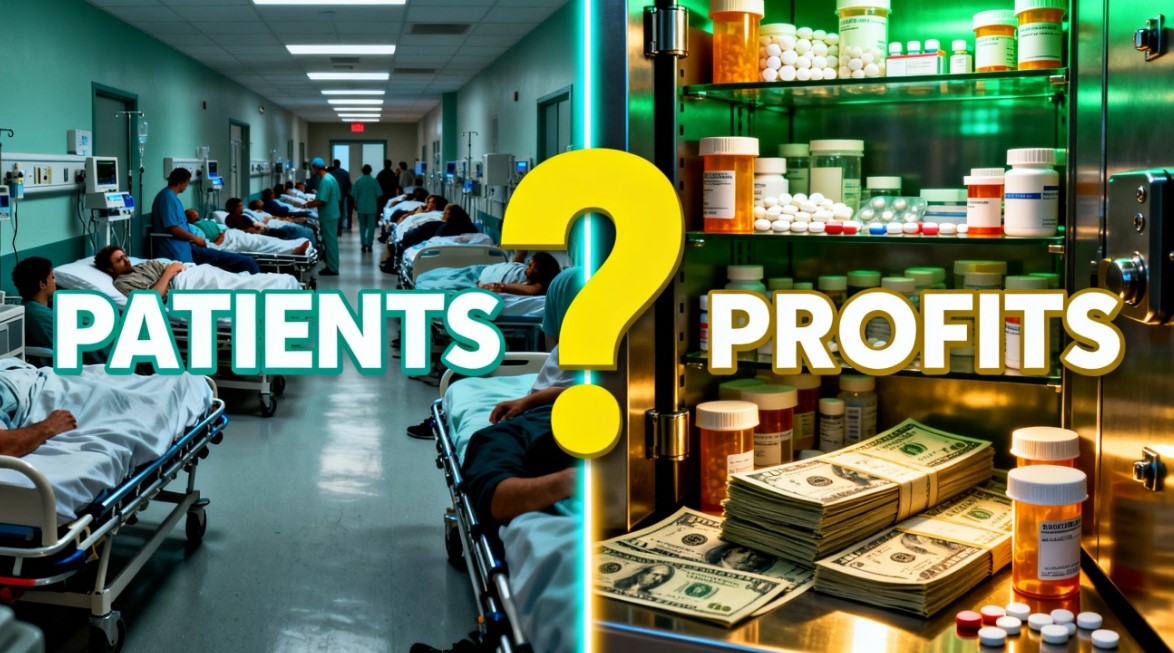
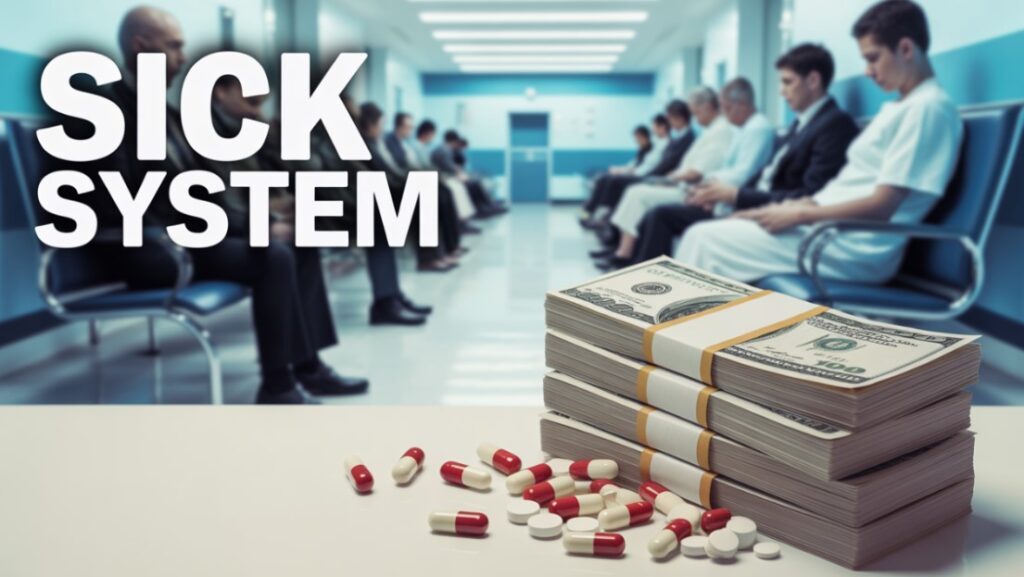
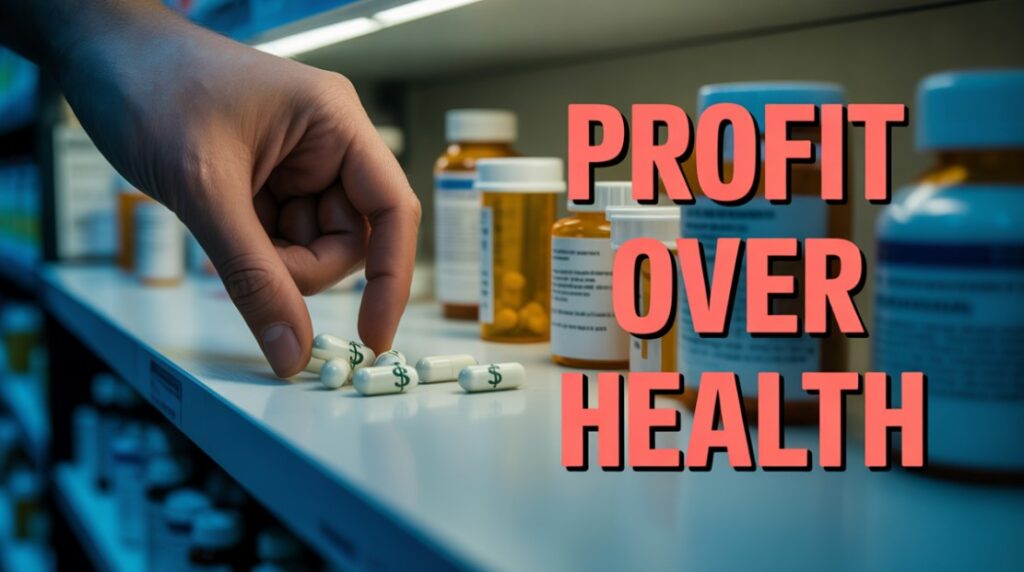
Hospitals are full. Treatment is expensive. Chronic illness is rising. Children and elders both stand in pharmacy lines. Medicine became a business. Companies need profit. Hospitals need income. Patients turn into numbers.
Science has given vaccines, antibiotics, surgery, and technology that save millions of lives every year. But lifestyle, pollution, chemicals, and fast food create new diseases faster than science can cure them.
For further insights, keep visiting blogy365.com

Leave a Comment