

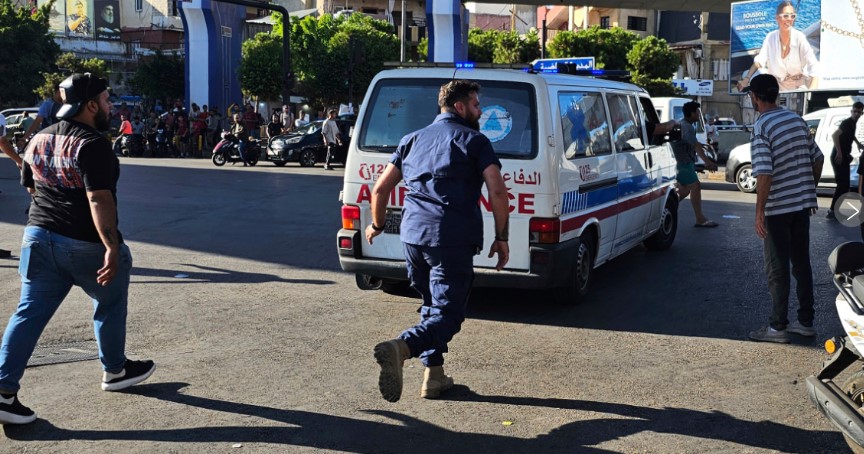

On September 17, 2024, a coordinated attack shook the Middle East as pagers carried by Hizbullah militants exploded across Lebanon and Syria, leaving at least nine dead and more than 2,750 injured. This catastrophic event unfolded simultaneously at 3:30 pm local time, impacting key Hizbullah strongholds, including Beirut’s southern Dahiyeh neighborhood and areas in Damascus, Syria. Among the injured were high-ranking Hizbullah commanders and Iran’s ambassador to Lebanon, Mojtaba Amani, along with two of his bodyguards.
The Explosions and Immediate Aftermath
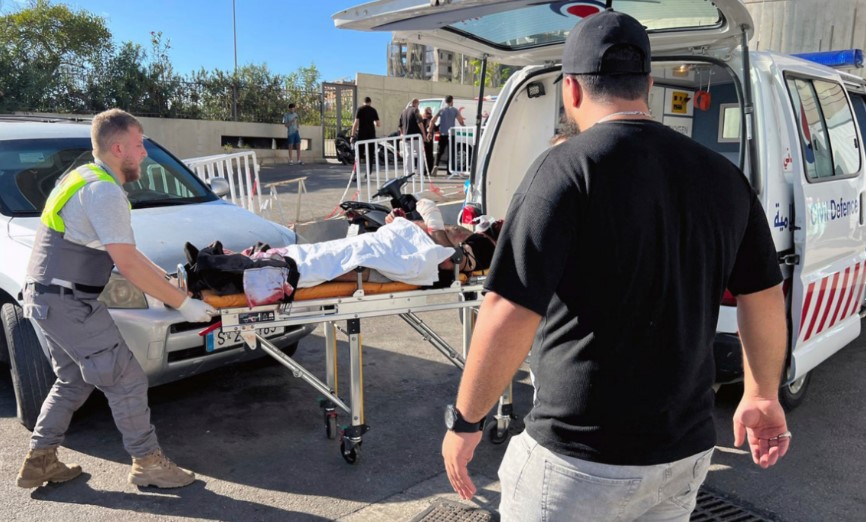
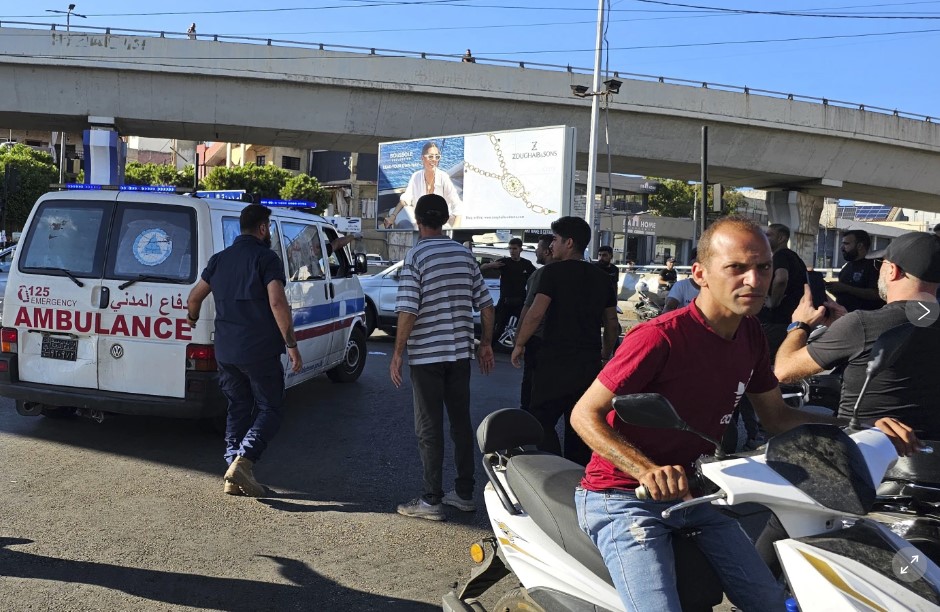
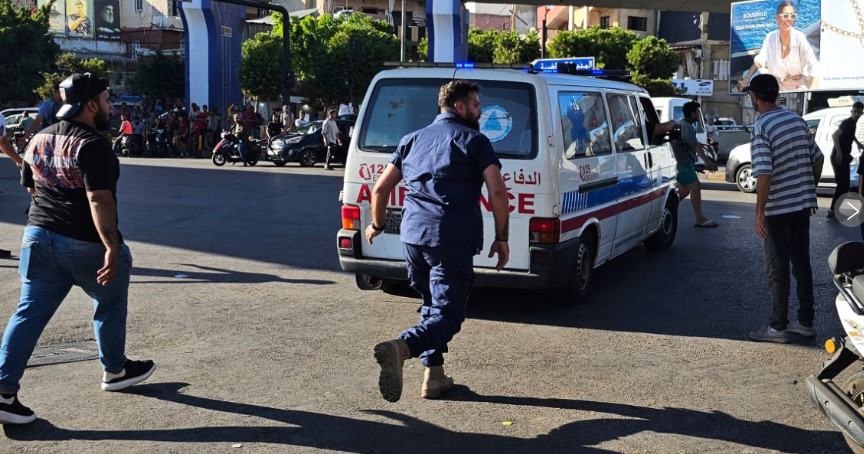
Eyewitness accounts and CCTV footage captured the horrifying moment when a man’s bag exploded in a Beirut supermarket, marking one of the many detonations. The blasts occurred in markets, streets, and shops, causing widespread panic as ambulances raced to hospitals, which were soon overwhelmed with the sheer number of injured victims.
According to Lebanon’s Health Ministry, around 400 individuals remain in critical condition, suffering from severe head, arm, and stomach injuries. Residents were urgently called upon to donate blood and avoid hospital approach roads to allow emergency services to function smoothly.
Israel’s Alleged Involvement
Reports from Sky News Arabia suggest that Mossad, Israel’s national intelligence agency, was behind the explosions. Allegedly, Mossad gained access to the pagers before they were delivered to Hizbullah militants and inserted PETN, a highly explosive material, into the devices’ batteries. The explosives were then remotely detonated by raising the temperature of the batteries.
Hizbullah’s Response: A Call for Retaliation
The Iranian-backed militant group Hizbullah has blamed Israel for the attack and vowed to seek retribution. This development has further escalated tensions in an already volatile region. With senior commanders among the injured, the likelihood of retaliatory strikes from Hizbullah remains high, adding to concerns of a potential conflict escalation.
Regional Impact and International Concerns
The simultaneous explosions in Lebanon and Syria have rattled the region, leading to increased scrutiny on the volatile situation between Hizbullah and Israel. The attacks also raise questions about the group’s security protocols and how their communication devices were compromised.
In the aftermath, several international organizations have called for calm, warning that retaliatory actions could spiral into a larger conflict. This is not the first time that Hizbullah and Israel have been at odds, and the attack could further strain the fragile peace in the region.
Conclusion
As the situation develops, the international community must focus on de-escalation and urge both sides to avoid further bloodshed. The attack on Hizbullah militants has already caused immense suffering, and without careful diplomatic intervention, it could lead to even greater instability in the Middle East.
For more updates on this developing story, follow Al Jazeera News and Reuters coverage.
External Sources:
- Sky News Arabia ReportRelated Articles:
- Hizbullah and Israel: A History of Conflict
- PETN: The Explosive Behind the Attack
for more info please log into blogy365.com
Leave a Comment