

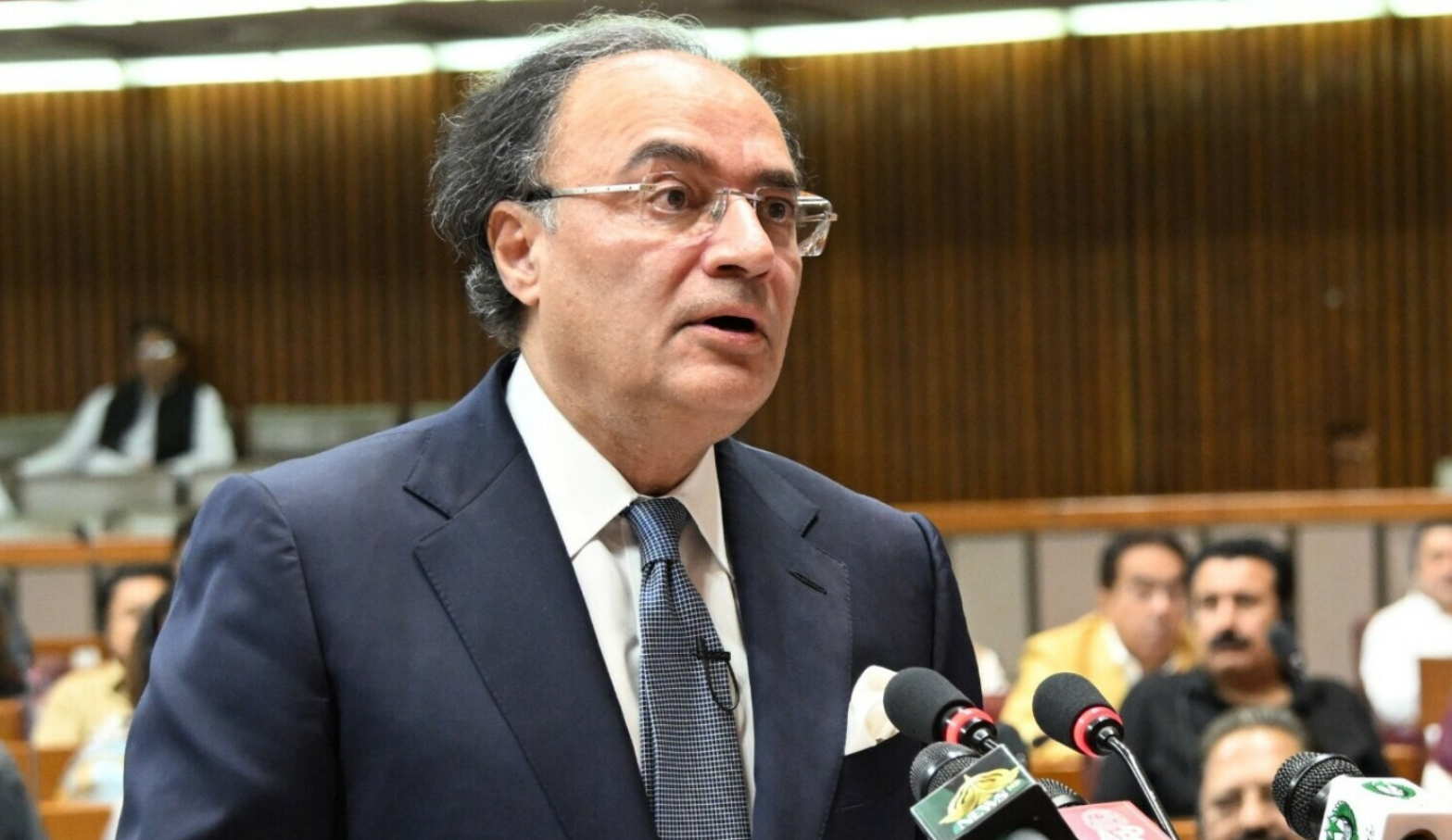

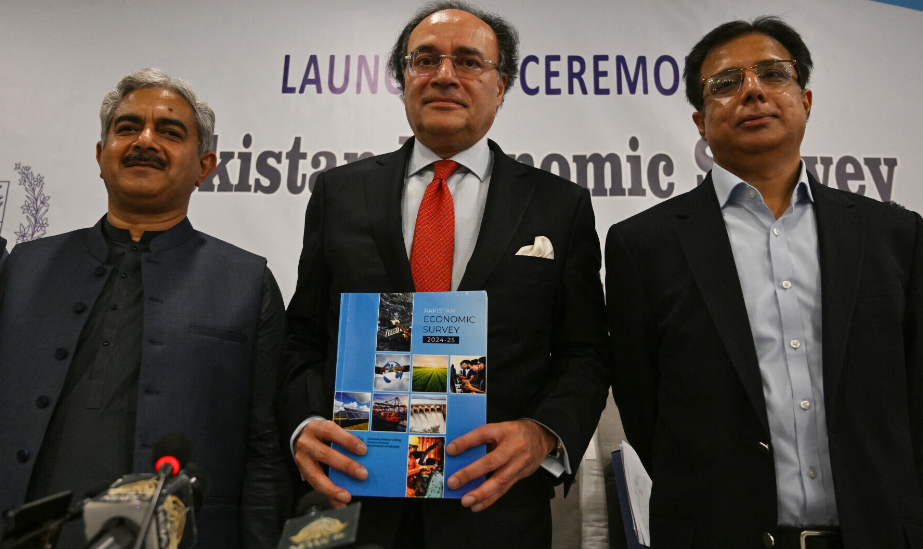
The much-anticipated 2025-26 federal budget was unveiled with a grand total outlay of Rs17.573 trillion and an ambitious GDP growth target of 4.2%. However, beyond the numbers, Pakistan’s salaried class — the nation’s most consistent taxpayers — is left wondering: Where’s our relief?
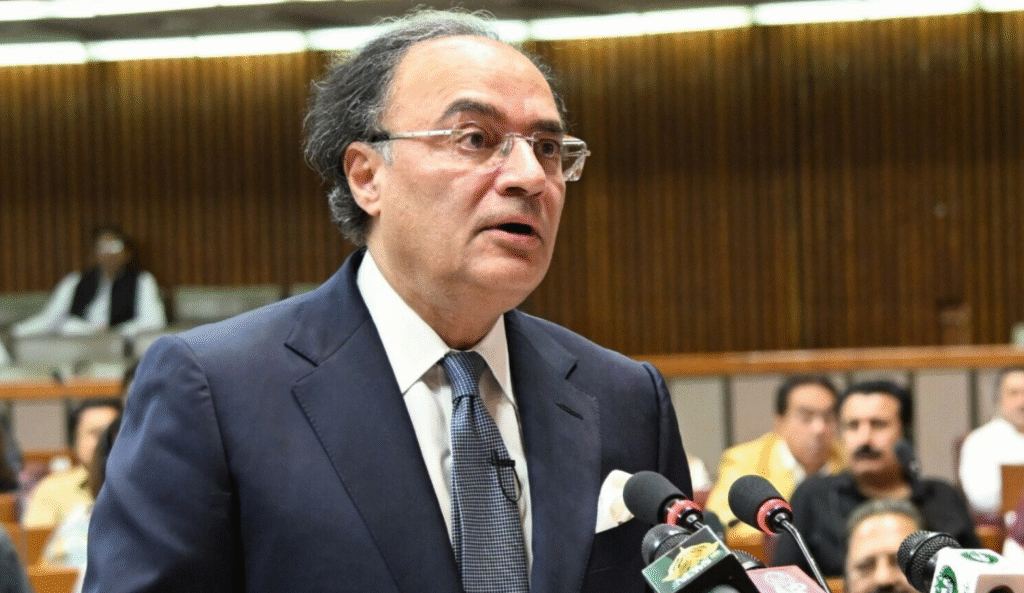
Finance Minister Muhammad Aurangzeb presented the budget with patriotic flair, linking fiscal reforms to national sovereignty. But experts and everyday citizens alike are questioning whether this budget delivers real reforms or merely bows to IMF expectations.
📊 A Budget Designed for Stability — Not Transformation
According to macroeconomist Sajid Amin Javed, this budget was “exactly what one can expect under the IMF program.” Its primary focus is fiscal consolidation and revenue targets. While there are some technical positives like tariff rationalization and tax simplification, they fail to address the deep structural flaws of Pakistan’s economy.
Key highlights include:
- Reduction in customs duties (a welcome step towards trade liberalization)
- Elimination of the non-filer category
- Emphasis on stabilizing public debt
- No comprehensive integration of agriculture, retail, or wholesale into the tax net
👷 Salaried Class: The Backbone of Pakistan’s Tax System
The salaried class continues to bear the brunt of Pakistan’s tax structure. Their taxes are deducted before salaries are even credited, making them the most reliable contributors to the national exchequer.
Yet, what do they receive in return?
- Healthcare? Minimal access to quality facilities
- Education? Public sector schools remain underfunded
- Transport & Infrastructure? Unreliable and poorly maintained
- Public Safety & Utilities? Frequent power outages and crumbling infrastructure
🔗 Related: Why Taxpayers Deserve Accountability
This imbalance between giving and receiving is causing growing resentment. If you’re deducting taxes from every paycheck, shouldn’t that guarantee some degree of return?
💬 What the Experts Are Saying
🔍 “An Anomaly” – Dr. Adil Nakhoda

Economist Dr. Adil Nakhoda termed the budget an “anomaly” due to its reduced outlay, mainly a result of declining interest payments. However, he criticized the increased defense expenditure and stressed the need to broaden the tax net rather than pressurizing those already paying.
“We need expansion, not exploitation of the existing tax base,” he noted.
🚫 “Short of Structural Reform” – Sajid Amin Javed
Sajid Amin emphasized that although removing the non-filer category and simplifying tax forms are positive steps, there is no real effort to tax the untaxed, especially the agricultural and retail sectors.
He warned that increasing the banking withdrawal tax from 0.6% to 1% for non-filers would discourage digital transactions, contradicting the aim of formalizing the economy.
🧾 “Misplaced Priorities” – Dr. Ali Hasanain
Ali Hasanain from LUMS appreciated the budget’s fiscal discipline but criticized its developmental priorities.
“Spending 30% of development funds on transport and only 5-6% on education shows we’re following an outdated development model,” he stated.
The reduction in real estate taxes also drew criticism, potentially encouraging speculative investment over productive economic activity.
❌ Where’s the Relief for the Common Man?
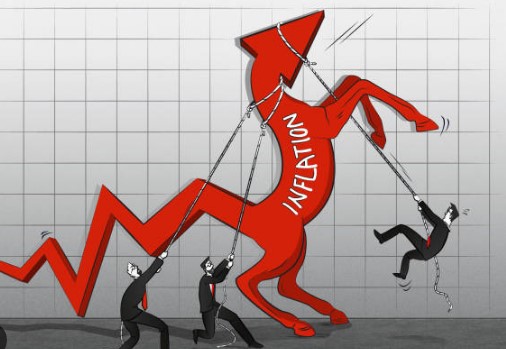
Despite rising inflation and declining purchasing power, the budget offers minimal relief to the average citizen. A modest 10% salary hike for government employees may look appealing on paper. Still, with inflation projected to rise and fuel prices expected to soar due to the increased Petroleum Development Levy (PDL), any benefits will quickly evaporate.
Senior journalist Afshan Subohi argued the government is avoiding tough decisions:
“There’s no transparency, no direction, and no mention of taxing powerful sectors like agriculture or retail,” she noted.
📉 “Not Strategy, Just Survival” –
Dr. M.A. Zubair
Former Planning Commission economist Dr. Zubair harshly criticized the budget as a document of “fiscal handcuffing,” not economic strategy.
“This isn’t reform. It’s retreat,” he lamented, pointing to a 19% increase in tax revenue collection targets and deep spending cuts without addressing social safety or job creation.
🧾 What Needs to Change? Reforms that Matter
- Broaden the Tax Net – Tax agriculture, wholesalers, and retailers.
- Public Transparency – Budget allocations, especially defense, must be fully disclosed.
- Tax-to-Relief Balance – Citizens should receive quality services in return for taxes paid.
- Incentivize Formal Economy – Lower banking taxes, promote digital transactions.
- Invest in Education & Healthcare – Re-prioritize development spending.
🤝 Salaried Class Deserves More Than Just Obligations
If the salaried class is dutifully contributing to national growth, it’s time the government reciprocated. Paying taxes should mean better public services, improved infrastructure, and access to quality healthcare and education, not just tighter austerity measures.
Until then, tax feels less like a contribution to national development and more like a penalty for being part of the formal economy.
🔚 Conclusion: A Budget of Missed Opportunities?
Budget 2025-26 may satisfy the IMF and offer a temporary fiscal balance, but it misses the mark for long-term economic resilience and fairness. Without bold reforms and genuine relief for the middle class, Pakistan risks deeper economic disillusionment — especially among its most honest contributors: the salaried taxpayers.

Leave a Comment