

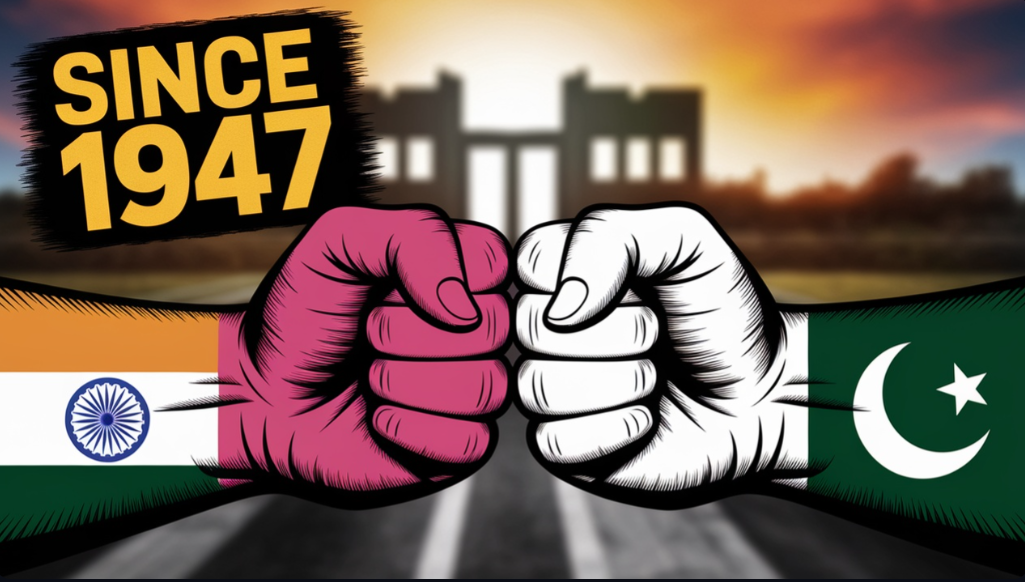

The world today stands on a knife’s edge, with two neighboring nuclear-armed nations, India and Pakistan, caught in a decades-old rivalry. But amidst the military build-up and political aggression, it’s the common man who suffers the most.
This blog dives into why the resolution of conflicts through dialogue is the only way forward, why peace should be the priority, and how the future of our generations depends on wise decisions made today.
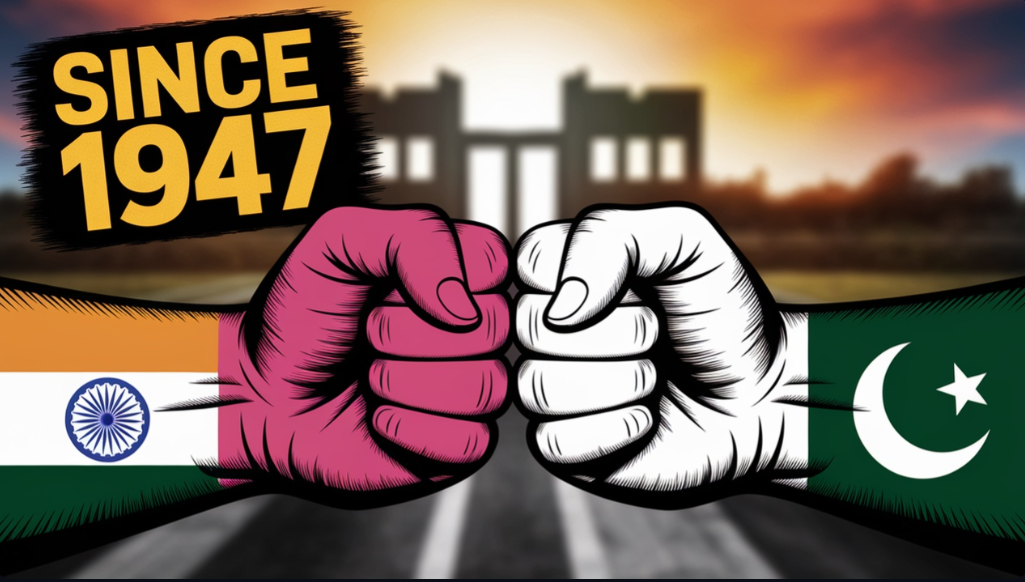
☢️ India & Pakistan: Nuclear Powers, But Who Really Wins?
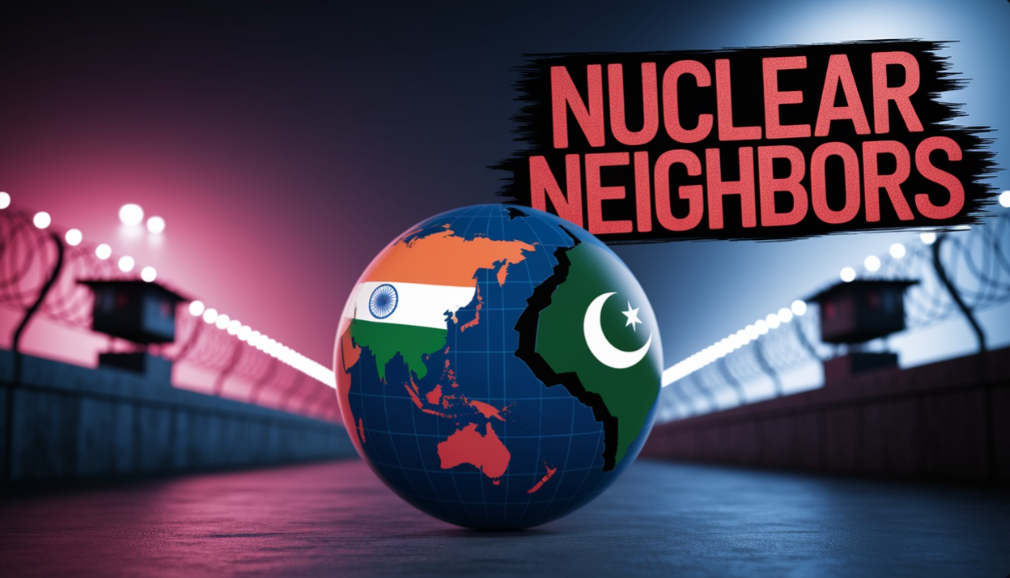
Since 1947, India and Pakistan have faced off in multiple conflicts, each leaving behind a trail of pain, poverty, and broken families. Both countries hold significant military strength, including nuclear capabilities, but the question is: At what cost?
“An atomic war is not just between two nations; it’s a catastrophe for humanity.” — UN Office for Disarmament Affairs
Millions live in poverty on both sides of the border. If a war erupts, it won’t be the politicians or military elites who suffer—it will be the poor, the hungry, the displaced.
🕊️ Peace Over War: Why Dialogue is the Only Solution
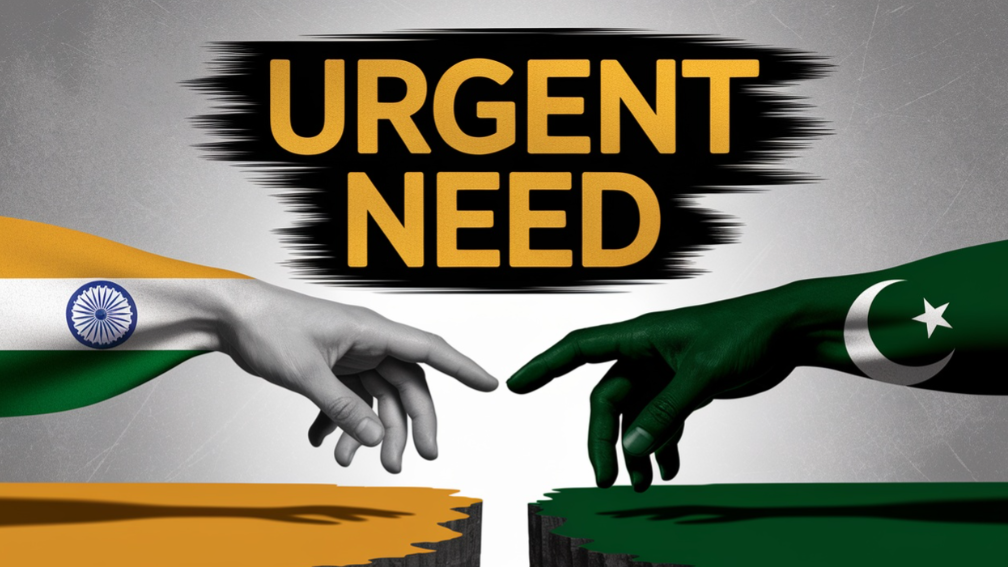
History shows us that dialogue, not destruction, is the path to sustainable peace. Even with deep-seated issues, both India and Pakistan can come to the table—because the alternative is unthinkable.
A nuclear war between the two could cause:
- Mass casualties
- Environmental devastation
- Economic collapse
- Global panic
Organizations like International Crisis Group have repeatedly emphasized the importance of de-escalation and confidence-building measures.
🧕🏽 The Human Cost: Who Suffers in Conflict?
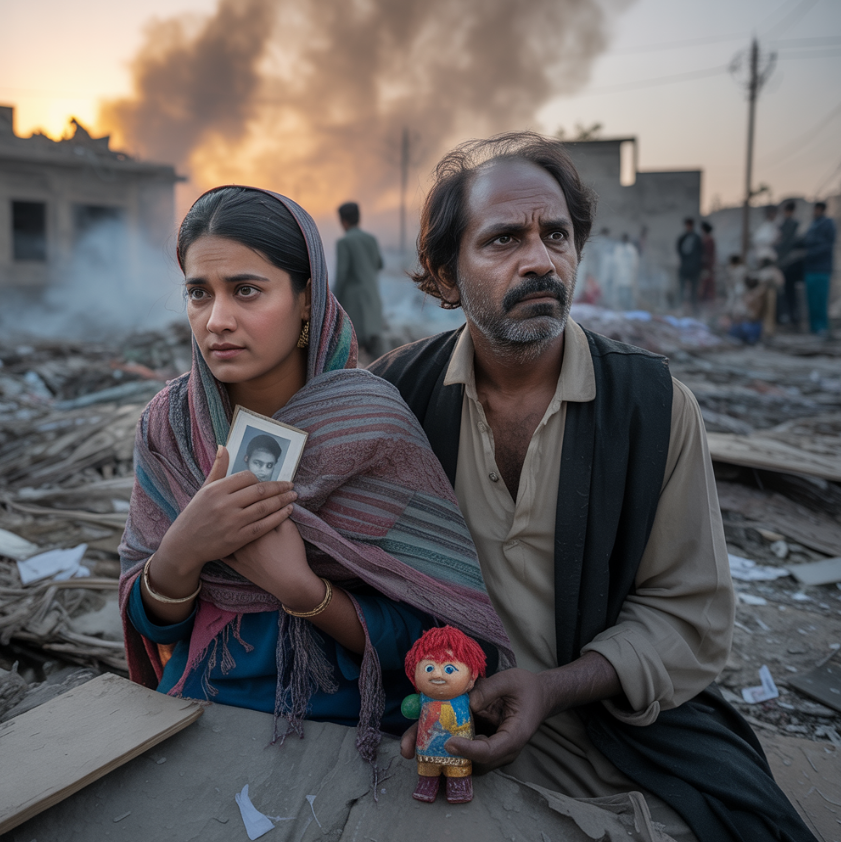
Every bullet fired means a child may go hungry, a school may remain closed, and a mother may lose her son.
Let’s ask ourselves:
- Do we want to pass on this hate and hostility legacy to future generations?
- Can’t we live like good neighbors, sharing culture, trade, and trust?
We must prioritize humanity over hostility, because no atomic strategy can rebuild lives once lost.
🕌 Islam and Peace: A True Muslim’s Perspective
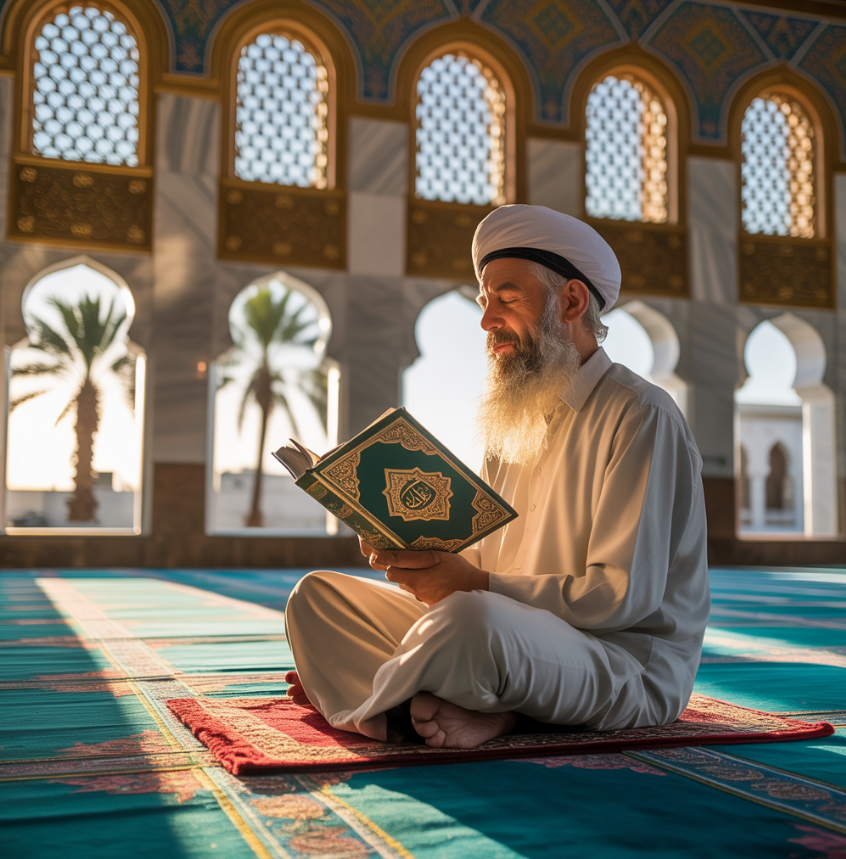
As Muslims, we believe in peace. Islam teaches tolerance, justice, and the value of human life. Pakistan has the strength to defend itself—yes, but our faith calls us to choose peace over war whenever possible.
“The strong is not the one who overcomes the people by his strength, but the strong is the one who controls himself while in anger.” — Prophet Muhammad (PBUH)
Let no one mistake our desire for peace as weakness. We are capable, but we believe in dialogue before destruction.
🤝Can We Ever Be Good Neighbors?
India must recognize Pakistan’s sovereignty and stop interfering in its internal matters. Only mutual respect can pave the way for peace.
From Kashmir to cross-border politics, the only lasting solution is through constructive discussions, not conflict.
Let us build bridges, not borders. Trade, tourism, culture—so much more unites us than divides us.
🔚 Conclusion: Time to Choose Peace Over Peril
If we don’t resolve our issues today, tomorrow might not come.
Let’s not feed our children on a diet of hate. Let us not walk toward a war that no one can win. Let’s choose wisdom over warfare, dialogue over destruction, and hope over hostility.
🔗 Relevant:
Check out our related article: How the Youth Can Promote Peace in South Asia
Leave a Comment