

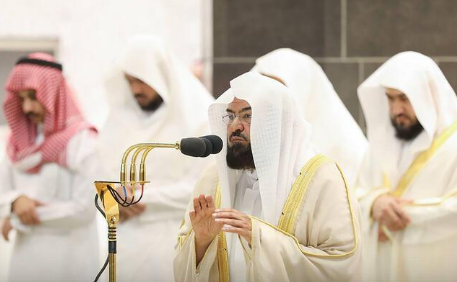

🌟 The Spiritual Power of Taraweeh
Taraweeh Salah is more than just a set of night prayers during Ramadan—it is a powerful spiritual journey that rejuvenates the soul, strengthens faith, and brings a sense of peace. Qayam (standing in prayer) is its core purpose, emphasizing devotion and reflection.
🎯 Purpose of Taraweeh Salah
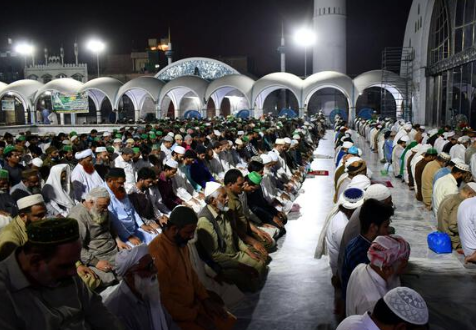
Taraweeh serves multiple purposes beyond just an act of worship. It is a way to: ✅ Strengthen one’s relationship with Allah (SWT)
✅ Seek forgiveness and purification from sins
✅ Experience the blessings of Ramadan fully
✅ Build a habit of patience and discipline
💡 The Objective of Taraweeh
The primary objective of Taraweeh is to allow believers to engage in long, heartfelt prayers, contemplating the meanings of the Quran while standing in deep submission. It fosters:
- A stronger connection with the Holy Quran 📖
- Greater spiritual awareness ✨
- An opportunity for self-reflection 🤲
🙏 Health & Psychological Benefits of Taraweeh
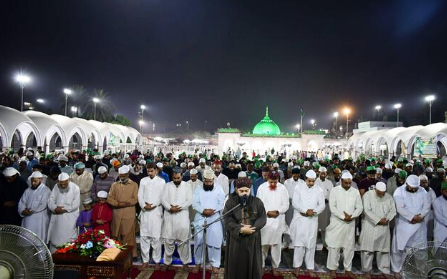
Apart from the spiritual rewards, Taraweeh has scientific benefits too:
- Physical Exercise 🏃♂️: Prolonged standing and movement during Salah improve flexibility and circulation.
- Stress Reduction 😌: The peaceful recitation and structured movements help relieve anxiety and calm the mind.
- Better Sleep 😴: Engaging in night prayers enhances sleep quality by inducing relaxation.
📚 Historical Significance of Taraweeh
The tradition of Taraweeh was established by Prophet Muhammad (PBUH) and later formalized under the Caliph Umar (RA). It has been a cornerstone of Ramadan worship for centuries.
🌙 How to Make the Most of Taraweeh
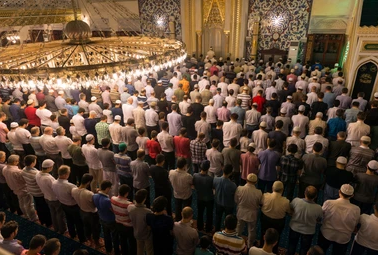
🔹 Prepare mentally & physically before prayer
🔹 Focus on understanding the Quranic recitation
🔹 Make heartfelt duas during the Salah
🔹 Stay consistent throughout Ramadan
🌟 Hadith on the Virtue of Qiyam (Standing in Prayer) During Ramadan
📖 Narrated by Abu Huraira (RA):
The Messenger of Allah (ﷺ) said:
“Whoever stands (in prayer) in Ramadan with faith and seeking reward, all his previous sins will be forgiven.”
(Sahih al-Bukhari 37, Sahih Muslim 759)
💡 Hadith on the Practice of Taraweeh by the Prophet (PBUH)
📖 Narrated by Aisha (RA):
The Prophet (ﷺ) prayed in the mosque one night, and some people prayed behind him. Then he prayed the next night, and more people gathered. On the third or fourth night, the Prophet (ﷺ) did not come out to pray. In the morning, he said:
“I feared that it would be made obligatory upon you.”
(Sahih al-Bukhari 1129, Sahih Muslim 761)
Hadith on the Continuation of Taraweeh by Caliph Umar (RA)
📖 Narrated by Abdur Rahman bin ‘Abdul Qari:
“During Ramadan, I went out with Umar bin Al-Khattab (RA) and found people praying in different groups. Umar (RA) said, ‘I think it would be better if I gathered them under one Imam.’ Then he appointed Ubayy bin Ka’b (RA) to lead the prayers, and when he saw them praying together, he said, ‘This is a good innovation (Bid’ah Hasanah).’”
(Sahih al-Bukhari 2010)
📚 Importance of Long Night Prayers in General
📖 Narrated by Jabir (RA):
The Prophet (ﷺ) said:
“The best prayer after the obligatory prayers is the night prayer.”
(Sahih Muslim 1163)
These Hadiths confirm the authenticity and spiritual significance of Taraweeh Salah
🌍 External Resources & Further Reading
For further insights, keep visiting blogy365.com



Leave a Comment