

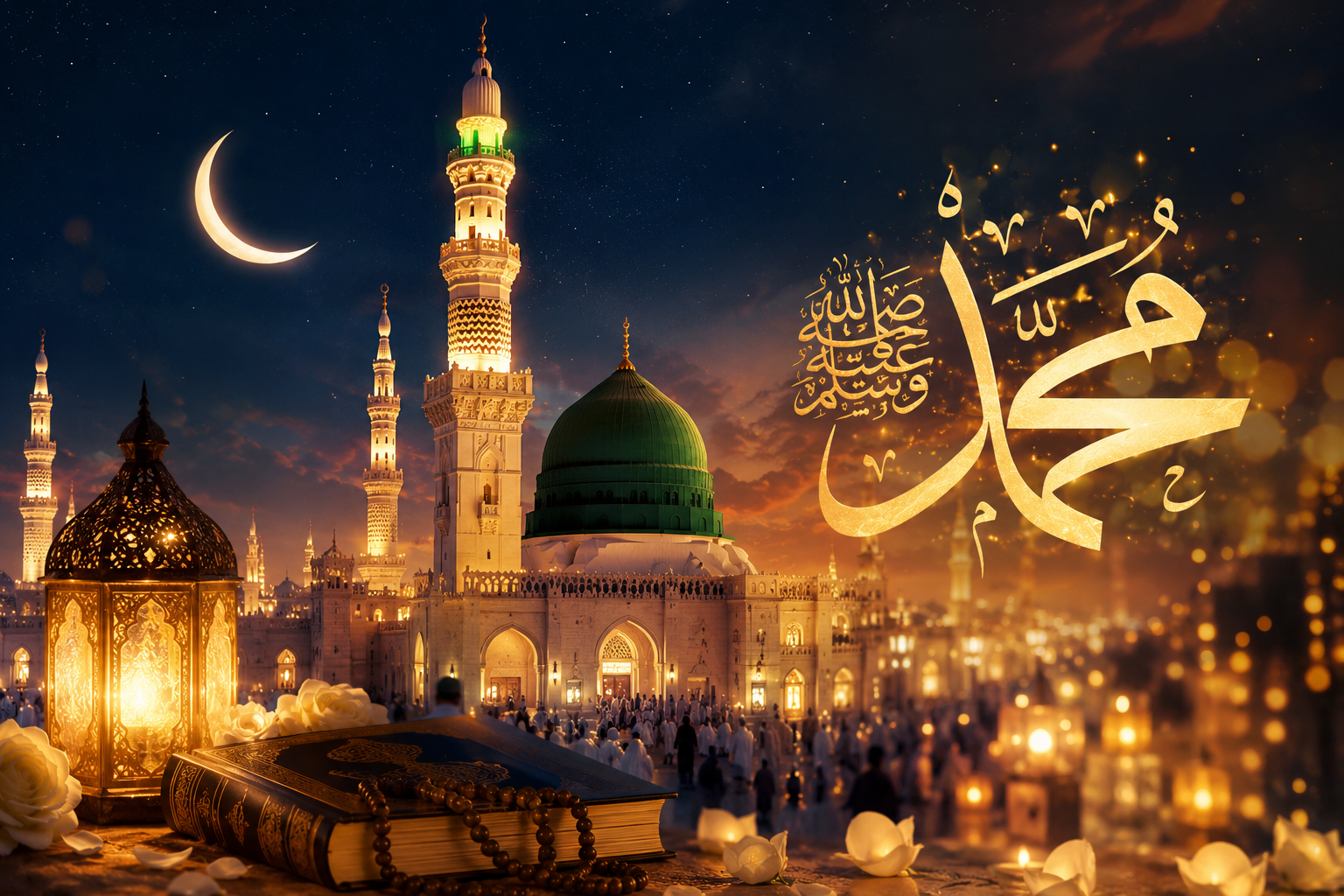

Mawlid Is About Love, Gratitude and Remembrance
Every year, as Rabi al Awwal arrives, millions of Muslims around the world turn their hearts toward one of the greatest blessings Allah has given humanity: the arrival/Mawlid of Prophet Muhammad ﷺ.
The occasion is commonly known as Mawlid al Nabi or Milad un Nabi ﷺ, referring to the remembrance of the birth of the beloved Messenger of Allah ﷺ.
But an important question deserves a thoughtful answer:
Why do Muslims celebrate Mawlid, and why should we remember the birth of Prophet Muhammad ﷺ?
The answer goes far deeper than decorations, gatherings or public celebrations.
For many Muslims, Mawlid is an opportunity to remember the Prophet ﷺ, study his Seerah, send Durood and Salam upon him, teach children about his character and renew their commitment to following his Sunnah.
At its heart, it is about remembering the man who brought humanity the message of Islam, taught mercy, justice, patience and forgiveness, and showed people how to live with faith and dignity.
Why Is Prophet Muhammad ﷺ So Important to Muslims?
Allah describes Prophet Muhammad ﷺ as a mercy to the worlds:
We have not sent you except as a mercy to the worlds.

This description captures something fundamental about the Prophet’s mission.
He ﷺ taught people to worship one God, care for the poor, protect orphans, respect parents, honor neighbors, speak truthfully and treat even those who opposed them with justice.
His life transformed individuals and communities.
His Seerah is not simply history.
It is a guide for life.
That is why remembering his birth naturally leads believers toward remembering his character, his sacrifices and his message.
What Does the Quran Say About Rejoicing in Allah’s Mercy?
The Quran says:
In the bounty of Allah and in His mercy, in that let them rejoice.
Surah Yunus 10:58.
Muslims who support Mawlid often connect this verse with the broader principle of being grateful for Allah’s blessings and mercy.
Prophet Muhammad ﷺ was sent as a mercy to humanity, and his coming brought the final message of Islam to the world.
For believers, remembering that blessing can therefore become an expression of gratitude.
It is important, however, not to present this verse as an explicit command to celebrate Mawlid. The verse speaks generally about rejoicing in Allah’s bounty and mercy. The connection to Mawlid is an interpretive application rather than a direct reference to the occasion.
That distinction matters when discussing religious issues honestly.
Did Prophet Muhammad ﷺ Remember the Day of His Birth?
One of the most frequently discussed pieces of evidence is found in Sahih Muslim.
The Prophet ﷺ was asked about fasting on Monday. He explained that Monday was the day on which he was born and the day revelation was sent to him.
This narration is recorded as Sahih Muslim 1162.

This hadith establishes an important point:
The Prophet ﷺ personally connected Monday with the blessing of his birth and expressed gratitude through worship.
However, the hadith specifically mentions fasting on Monday, not an annual Mawlid gathering.
This is one reason scholars have differed over how the narration should be applied.
Some scholars see it as evidence for remembering and expressing gratitude for the blessing of his birth.
Others argue that the Prophet ﷺ demonstrated the appropriate practice through fasting rather than establishing an annual birthday celebration.
Why Do Scholars Differ About Mawlid?
This is where the discussion becomes important.
There is no single unanimous scholarly position on Mawlid.

Some scholars permit or commend gatherings that involve permissible acts such as Quran recitation, Seerah, Durood, charity and feeding people, provided that the gathering does not contain anything contrary to Islamic teachings.
Academic research also records the long standing disagreement surrounding Mawlid and its development across different Muslim societies.
Other scholars reject the annual celebration because neither the Prophet ﷺ nor his Companions established such an annual occasion. They consider making it a religious observance to be an innovation.
For example, IslamQA presents the view that Mawlid was not practiced by the Prophet ﷺ or his Companions and therefore should not be established as a religious celebration.
So a responsible discussion should acknowledge both positions rather than pretending there is no disagreement.
Why Do Those Who Support Mawlid Celebrate It?
For Muslims who consider Mawlid permissible, the purpose is generally not to create a new pillar of Islam.
Instead, they see it as a gathering centered around things that are already encouraged in Islam.
Remembering the Prophet ﷺ
The first reason is simple:
Love.
Muslims love Prophet Muhammad ﷺ because Allah chose him as His final Messenger.
Remembering his life strengthens that love.
Learning the Seerah
A Mawlid gathering can become an opportunity to teach children and young people about the Prophet’s ﷺ life.
How did he treat his enemies?
How did he treat the poor?
How did he behave with his family?
How did he respond when people hurt him?
How did he forgive?
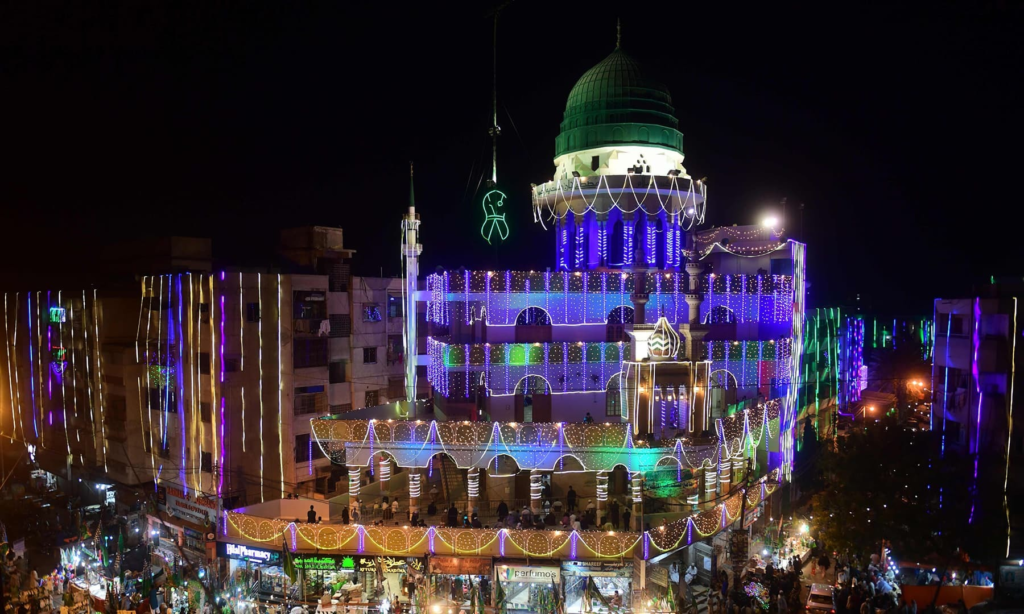
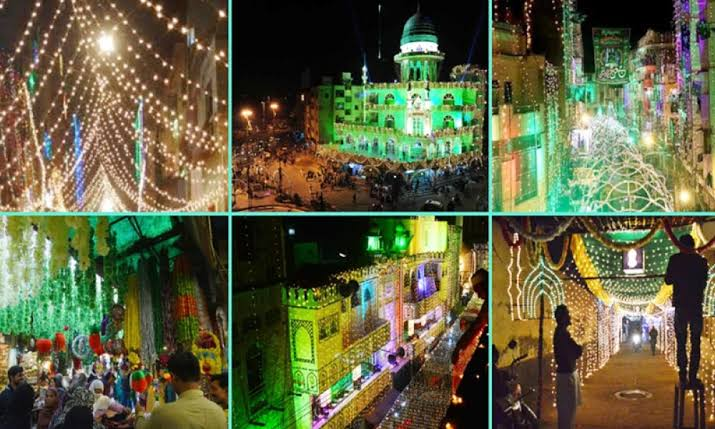
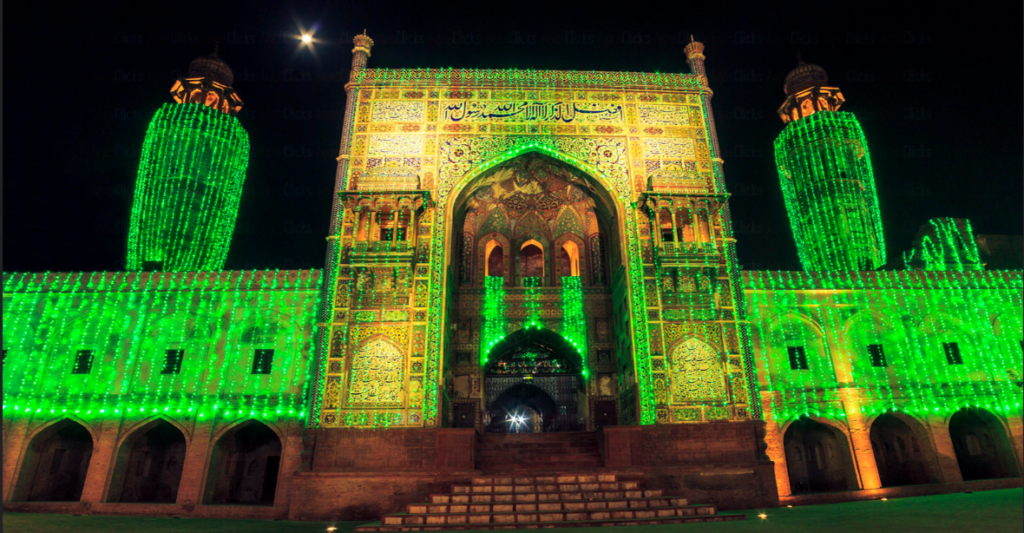
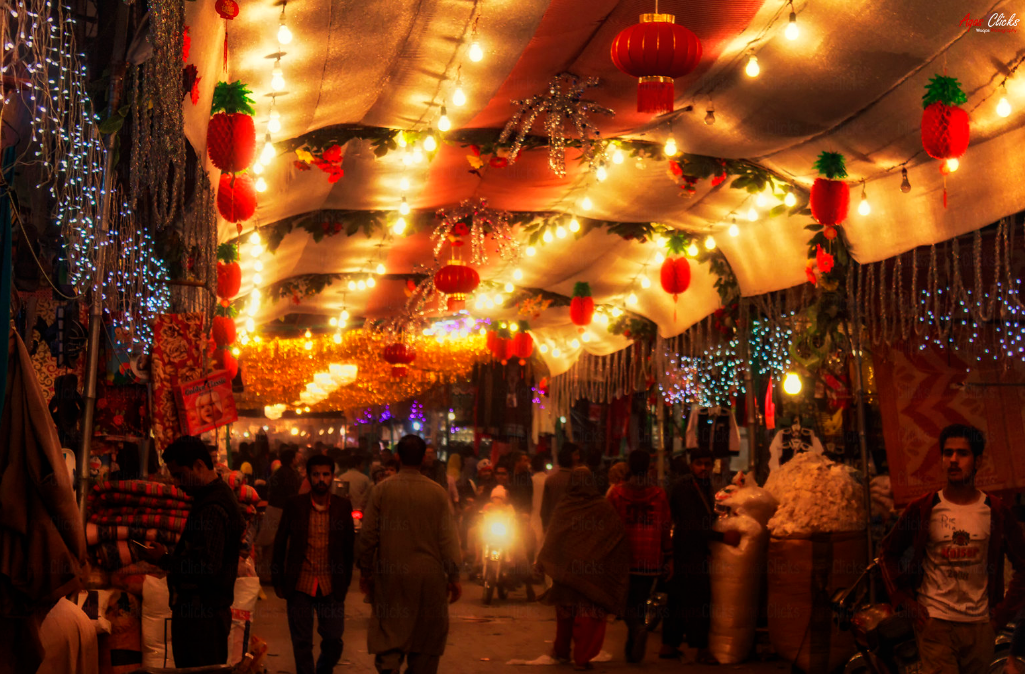
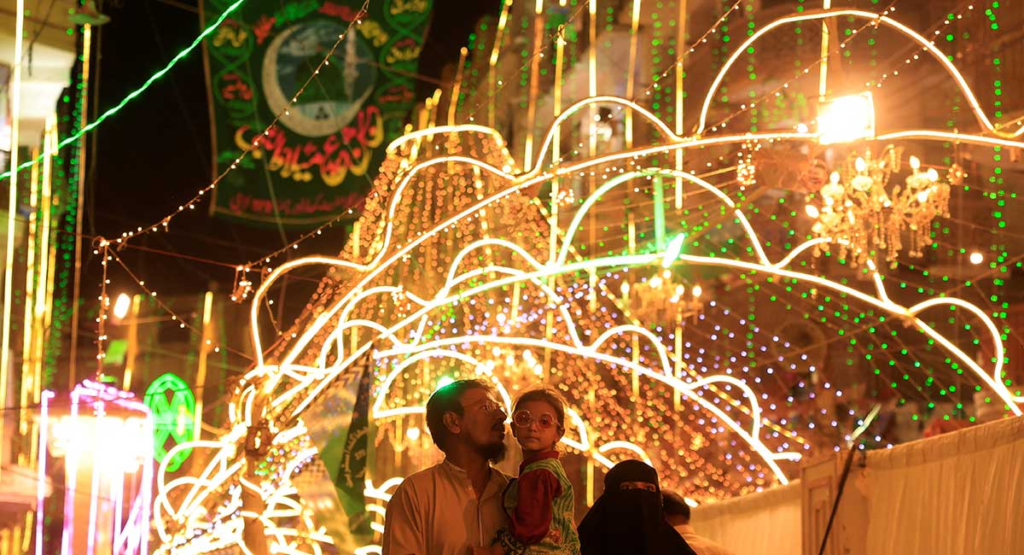
These questions are far more important than how many lights are placed on a street.
Sending Durood and Salam
Muslims send blessings upon Prophet Muhammad ﷺ throughout the year.
A gathering can encourage people to increase Durood and remember the Prophet ﷺ with respect and love.
Feeding People and Helping the Needy during Mawlid
If a Mawlid gathering includes feeding the poor, helping families, supporting orphans or giving charity, these acts can themselves be meaningful forms of worship when performed sincerely and according to Islamic principles.
The celebration should never become an excuse for waste, extravagance or competition.
Teaching the Next Generation about Mawlid
Perhaps one of the strongest reasons to focus on the Seerah is the younger generation.
Children can recognize the name Muhammad ﷺ but still know very little about his character.
A meaningful Mawlid should change that.
Instead of only teaching children that the Prophet ﷺ was born, teach them how he lived.
Teach them his honesty.
Teach them his mercy.
Teach them his patience.
Teach them his courage.
Teach them his respect for others.
That is where remembrance becomes transformation.
Mawlid Should Lead Us Toward the Sunnah
This is perhaps the most important message.
If someone says they love Prophet Muhammad ﷺ, that love should appear in their behavior.
The Prophet ﷺ was truthful.
Be truthful.
The Prophet ﷺ was merciful.
Show mercy.
The Prophet ﷺ helped the poor.
Help someone who is struggling.
The Prophet ﷺ forgave people.
Learn to forgive.
The Prophet ﷺ cared about his community.
Care about your community.
A celebration that does not change our character misses the deeper lesson of the Prophet’s life.
Celebration Without Going Beyond Islamic Limits
Even scholars who permit Mawlid do not make every activity associated with every gathering automatically acceptable.
Anything involving clear violations of Islamic principles should be avoided.
That includes wastefulness, inappropriate behavior, false stories attributed to the Prophet ﷺ, exaggeration that conflicts with Islamic beliefs, or treating the occasion as though it were an obligatory Islamic festival.
Love for the Prophet ﷺ does not require exaggeration.
It requires sincerity.
And the greatest expression of that love is to follow his guidance.
Why Should We Remember Mawlid Today?
Because modern life can make people forget what truly matters.
We remember celebrities.
We remember politicians.
We remember sports stars.
We remember influencers.
But the person whose character changed the course of human history deserves to remain alive in our hearts and our homes.
Mawlid can become a yearly reminder:
Who was Muhammad ﷺ?
What did he teach us?
How did he live?
And how closely are we following his example?
Those questions matter far more than arguments over decorations or slogans.
The Real Celebration Is Following His Character
If Mawlid makes us increase our Durood, learn the Seerah, feed someone hungry, help a poor family, reconcile with someone, improve our Salah and become better human beings, then the remembrance has produced something beautiful.
The Prophet ﷺ did not come merely to be remembered.
He came with a message to be followed.
That is why the most powerful way to honor him is not simply to speak about his love.
It is to live by the values he taught.
A Message of Respect Among Muslims
Mawlid is an issue on which Muslims have held different scholarly opinions for centuries.
Those who celebrate should avoid insulting those who do not.
Those who do not celebrate should avoid insulting those who do.
The love of Prophet Muhammad ﷺ should make the Ummah more merciful toward one another, not more hostile.
We can disagree on a matter of fiqh while still respecting one another as Muslims.
That may itself be one of the lessons we need to recover from the character of the Prophet ﷺ.
Final Thought: Remember the Birth, Live the Message
The birth of Prophet Muhammad ﷺ changed the world.
But the real question is not simply:
Why was he born?
The deeper question is:
What will his life change in us?
If remembering Mawlid brings us closer to Allah, closer to the Quran, closer to the Sunnah, closer to the Seerah and closer to serving humanity, then the remembrance has meaning.
Let Rabi al Awwal not merely fill our streets with lights.
Let it fill our hearts with the light of the Prophet’s ﷺ character.
Let us read his Seerah.
Let us send Durood.
Let us teach our children.
Let us help the needy.
Let us forgive.
Let us serve.
And above all, let us try to live the beautiful example of Muhammad ﷺ.
May Allah fill our hearts with sincere love for His beloved Messenger Muhammad ﷺ and give us the strength to follow his Sunnah. Ameen.
For further insights, keep visiting blogy365.com

Leave a Comment