

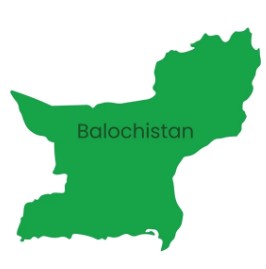

The recent wave of violence in Balochistan has taken a deadly turn, with the targeted killings of Punjabi workers and security personnel signaling a dangerous escalation in the ongoing conflict between separatist groups and the state. Analysts warn that this surge in attacks points to an intensifying struggle that threatens the region’s stability and the broader geopolitical landscape, including the role of external influences, notably from India.

The Surge in Violence: A Grim Reality
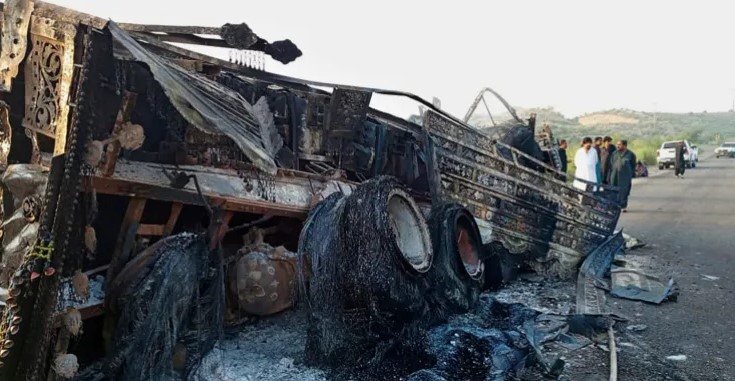
In less than 24 hours, nearly two dozen civilians from Punjab were brutally executed by armed militants in Balochistan, Pakistan’s southwestern province. The attacks, which spanned multiple districts, resulted in at least 74 deaths, marking one of the deadliest episodes in the region’s recent history. The Baloch Liberation Army (BLA), a notorious separatist group, claimed responsibility for these coordinated assaults, asserting control over key highways and further destabilizing an already volatile area.
Targeting Punjab: A Strategic Shift
The targeted killing of Punjabi workers highlights a significant shift in the BLA’s strategy. Historically, Baloch separatists have focused on state infrastructure and security forces. However, this latest attack on civilians from Pakistan’s most populous and politically dominant province suggests a broader agenda. Experts believe that by targeting Punjabis, the BLA aims to send a clear message: outsiders, whether they are Chinese nationals involved in development projects or workers from other provinces, are not welcome in Balochistan.
The Role of Indian Influence
The intensification of violence in Balochistan has raised concerns about external influences, particularly from India. The Indian government’s involvement in supporting Baloch separatists has long been a point of contention between Islamabad and New Delhi. India’s interest in Balochistan is seen as a counterbalance to Pakistan’s support for Kashmir, another flashpoint in the region. This geopolitical chess game has only fueled the fire, complicating efforts to bring peace to Balochistan.
The Economic Undercurrent: Balochistan’s Resource Wealth
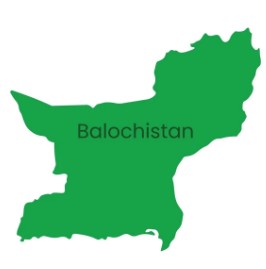
Balochistan is Pakistan’s largest province, rich in natural resources, including oil, coal, gold, copper, and gas. Despite its wealth, the province remains one of the poorest in the country. The deep-seated grievances of the Baloch people stem from a perception of systemic exploitation by the federal government. The China-Pakistan Economic Corridor (CPEC), a multi-billion-dollar project that includes the development of the Gwadar port, has exacerbated these tensions. The BLA and other nationalist groups view CPEC as a further encroachment on their land and resources, fueling their separatist agenda.
The Timing: A Message of Defiance
The recent attacks coincided with the 18th death anniversary of Nawab Akbar Bugti, a former Baloch nationalist leader who was killed in a military operation in 2006. Bugti’s death is a symbol of resistance for many in Balochistan, and the timing of these attacks underscores the separatists’ resolve to continue their struggle. The widespread nature of the violence, which spanned several districts, demonstrates the BLA’s ability to challenge the state’s authority across the province.
The Human Cost: A Region in Turmoil
The human cost of this protracted conflict is staggering. Thousands of ethnic Baloch have been killed or disappeared in a brutal crackdown by Pakistani security forces. Groups like the Baloch Yakjehti Committee (BYC), led by activists like Mahrang Baloch, continue to protest against enforced disappearances and state violence. However, the government’s heavy-handed approach, including accusations that the BYC is funded by foreign entities, only deepens the divide.
Conclusion: A Complex Web of Conflict
The escalating violence in Balochistan is a stark reminder of the region’s complex and multifaceted conflict. The involvement of external players like India, coupled with the deep-rooted grievances of the Baloch people, creates a volatile mix that threatens to destabilize not only Balochistan but also the broader South Asian region. As the conflict unfolds, it is clear that a comprehensive and inclusive approach is needed to address the underlying issues and bring lasting peace to this troubled province.
Leave a Comment