


Introduction:
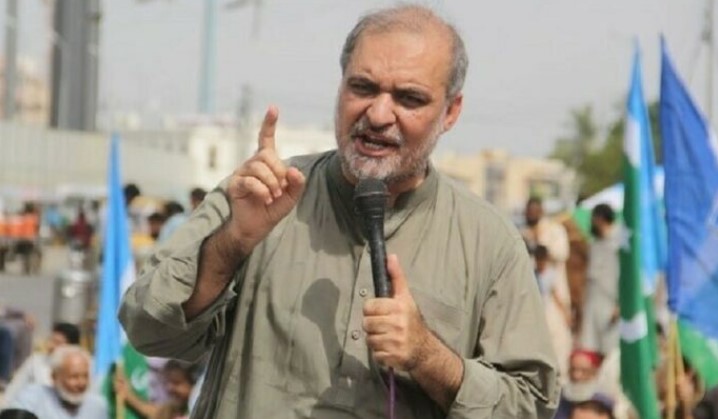
Pakistan is on the brink of a significant event as Jamaat-e-Islami (JI) Pakistan’s Ameer, Hafiz Naeemur Rehman, has announced a country-wide “peaceful” shutter-down strike on August 28, 2024. The strike aims to protest against the surging electricity bills and demand a uniform power tariff across the nation. This move comes at a time when the common people, especially the salaried class, are feeling the pinch of uneven taxes and are bearing the brunt of the economic burden while the elite enjoys privileges like free electricity.
The Unjust Burden on the Salaried Class:
One of the core issues that Hafiz Naeemur Rehman has raised is the disproportionate taxation on the salaried class. While the elite enjoy perks like free electricity and other benefits, the working class is left struggling to make ends meet. The electricity bills have become a significant concern, with many citizens questioning why they should bear the cost of the elite’s free electricity. This inequality has sparked widespread frustration and anger, leading to the call for a nationwide strike.
Hafiz Naeemur Rehman’s Stance on Political Alliances:
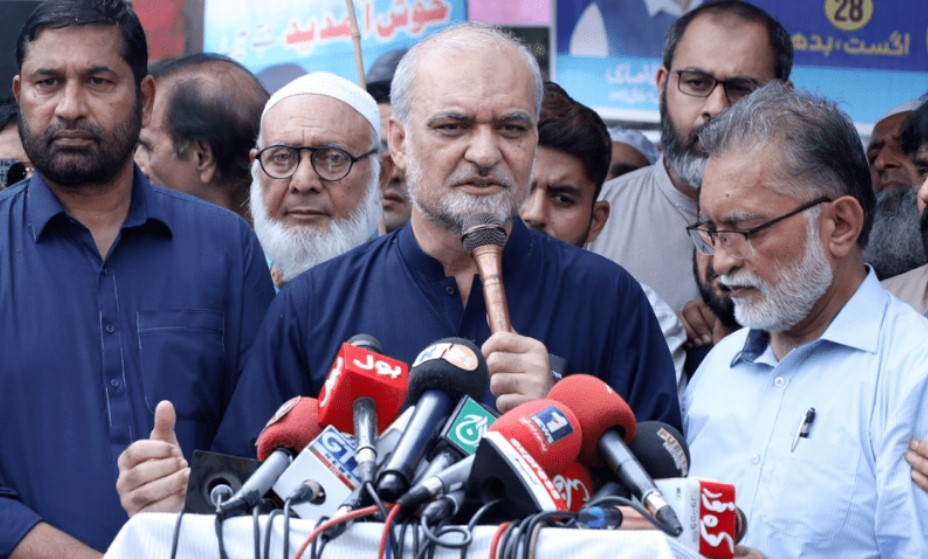
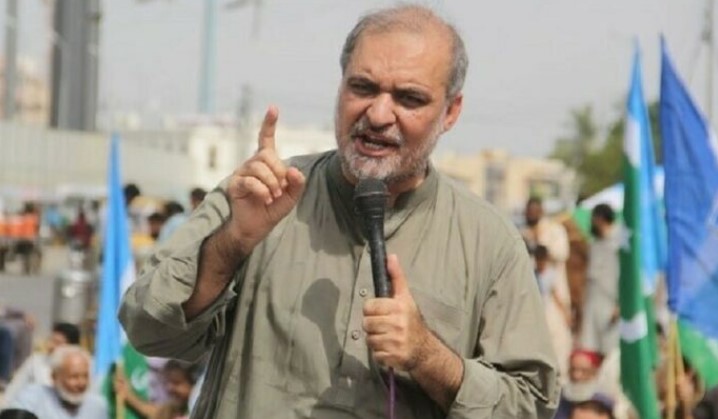
During a press conference at JI’s office in Idara Noore Haq, Karachi, Hafiz Naeemur Rehman criticized opposition parties for their lack of clarity and unity in protesting against the government’s policies. He made it clear that JI would not be joining any political alliances, stating that their true alliance is with the youth and the people of Pakistan. This declaration has resonated with many who feel disillusioned by the current political landscape.
Economic Challenges and the Law and Order Situation:
Hafiz Naeemur Rehman also shed light on the worsening law and order situation in Punjab and the broader economic challenges that the public is facing. The expensive RLNG (Re-gasified Liquefied Natural Gas) agreements have further exacerbated the economic woes, with fears of potential international legal actions by Independent Power Producers (IPPs) if these contracts are violated. The IPPs have already made it clear that any breach of contract could result in severe legal and financial repercussions for Pakistan.

The Tajir Dost Scheme and Traders’ Backlash:
In another development, the traders’ community has also announced a strike on August 28, in protest against the Federal Board of Revenue’s (FBR) Tajir Dost scheme. This scheme has been met with strong resistance from traders and exporters, who argue that it imposes heavy taxes on the export sector, further crippling an already struggling economy. The All Pakistan Anjuman-e-Tajiran and other traders’ associations have declared the scheme unacceptable and is demanding its immediate withdrawal.
Conclusion:
The upcoming strike on August 28 is not just a protest against high electricity bills but a reflection of the broader discontent among Pakistan’s working and middle classes. As Jamaat-e-Islami and the traders’ community prepare to take a stand, the government faces increasing pressure to address these pressing issues. The demand for a uniform power tariff, the withdrawal of the Tajir Dost scheme, and a more equitable taxation system are at the forefront of this growing movement.
Related:
For more information on the economic challenges and the ongoing protests in Pakistan, click here.
Also, visit strike today in Pakistan


Leave a Comment