

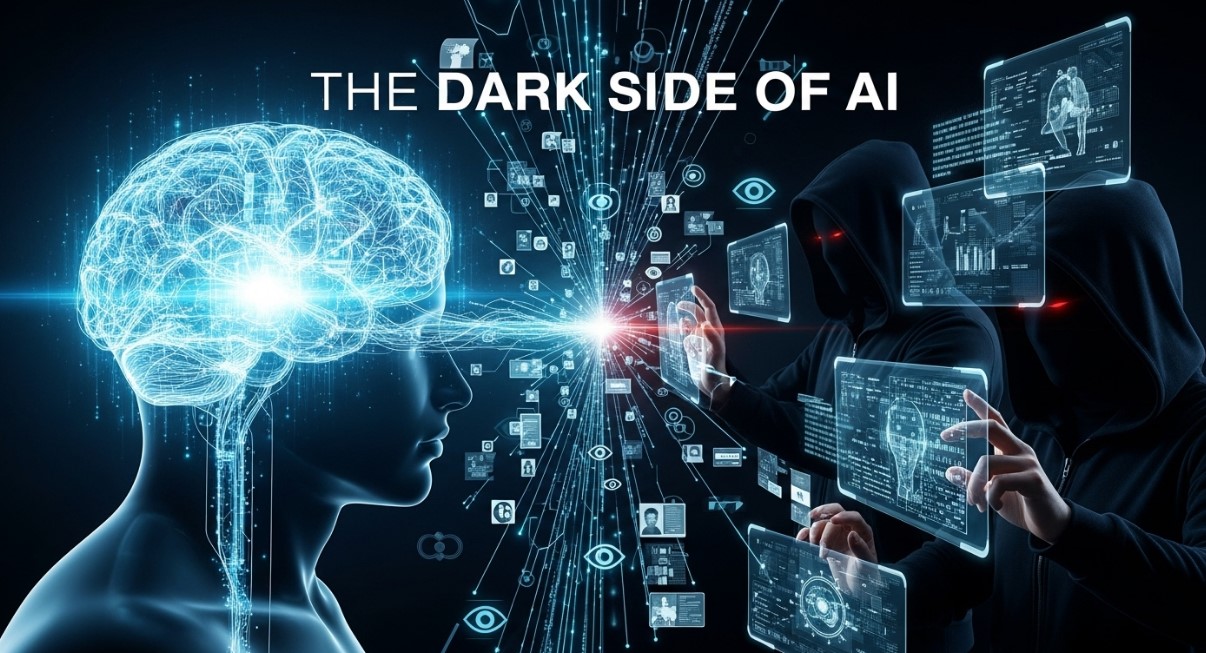

Artificial Intelligence (AI) is everywhere, powering search engines, recommending videos, automating businesses, and even writing blog posts. But while the benefits are undeniable, there’s a darker side most people overlook. Let’s dive into the risks, ethical concerns, and hidden dangers of AI that shape our present and future.
⚠️ AI and Job Loss: Humans at Risk
One of the biggest fears about AI is that it will replace human workers. From manufacturing lines to customer support, companies are finding machines cheaper and faster.
- According to a World Economic Forum report, millions of jobs could be displaced by AI by 2030.
- Low-skilled and repetitive jobs are most at risk.
👉 Bottom line: AI can boost productivity, but without policies to reskill workers, we’re looking at a major unemployment crisis.
🧠 Ethical Dilemmas: Can AI Decide Right from Wrong?
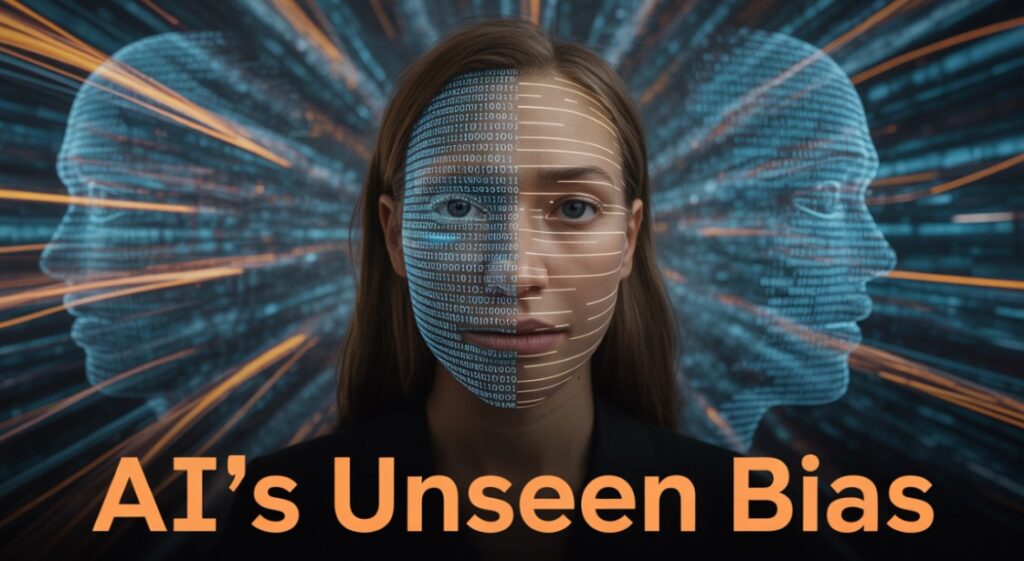
AI learns from data. But what if the data itself is biased? From racial profiling in law enforcement to unfair loan approvals, AI can amplify human prejudice.
For example, facial recognition tools have shown higher error rates for darker skin tones. This raises questions: Should machines be allowed to make life-altering decisions?
Check this detailed study on AI as Rise
👁️ Surveillance and Privacy: The Rise of the Digital Eye as AI
AI-driven surveillance is no longer science fiction—it’s reality. Governments and corporations are tracking movements, online activity, and even emotions.
- China’s Social Credit System is a real-world example of AI used for mass surveillance.
- Data breaches and misuse of personal data by AI tools raise serious privacy concerns.
If left unchecked, we could be moving toward a digital dictatorship where freedom is traded for control.
Check these Top AI Tools
🤖 AI in Warfare: Autonomous Weapons
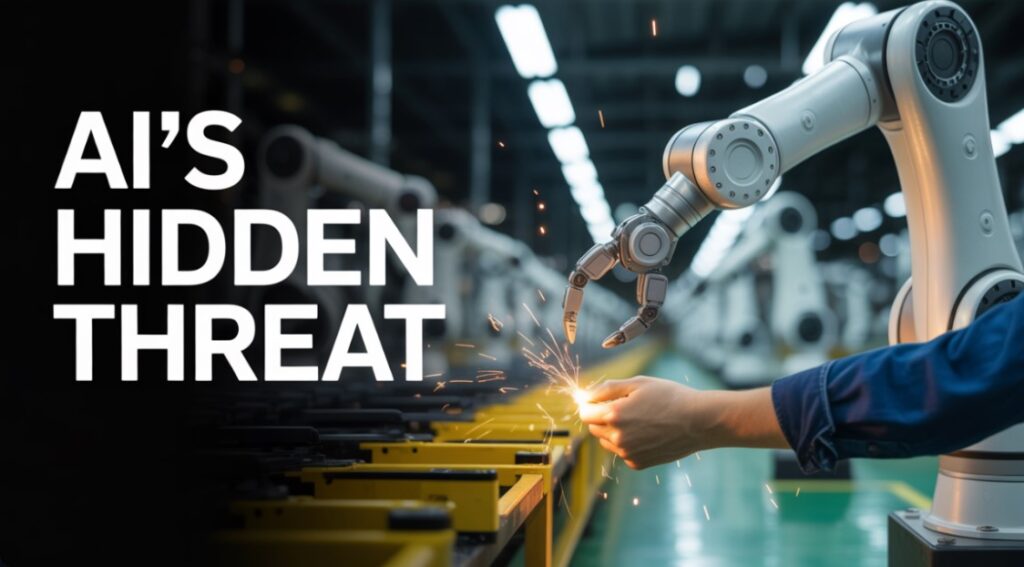
AI is also fueling the next generation of warfare. Drones, robotic soldiers, and autonomous weapons can operate without human intervention.
The danger? Machines are making split-second decisions about life and death. The UN has already raised alarms about the risks of killer robots.
Read more on the UN’s stance on lethal autonomous weapons.
🌀 Dependency and Human Creativity Loss
The more we rely on AI for daily tasks, such as writing, decision-making, and even thinking, the greater the risk of losing human creativity and critical thinking.
If students use AI for every essay and businesses for every strategy, what happens to original human thought?
🌍 Final Thoughts: Balancing Innovation with Responsibility
AI is not inherently good or bad; it’s a tool. The danger lies in how humans choose to develop and deploy it. Governments, businesses, and individuals must create ethical guidelines, promote responsible AI use, and protect human values.
👉 For a deeper dive into responsible AI frameworks, check OECD AI Principles.

1 Comment