

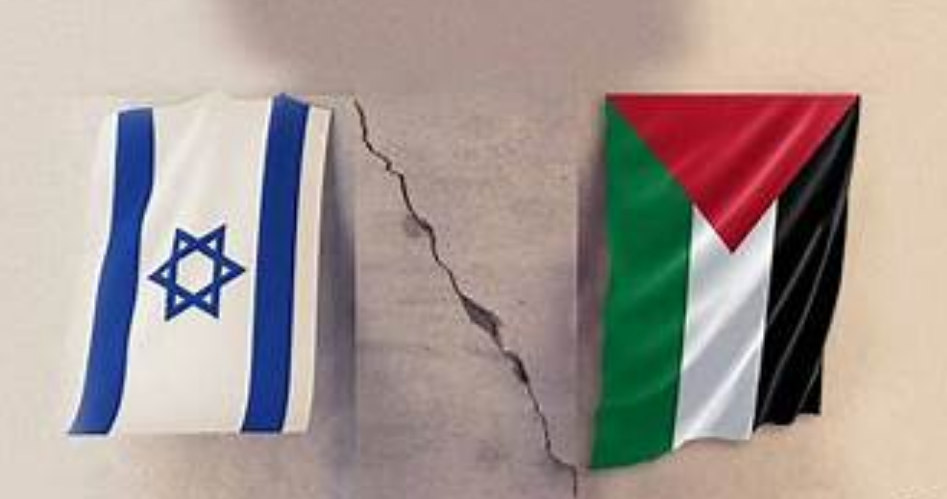

Introduction:
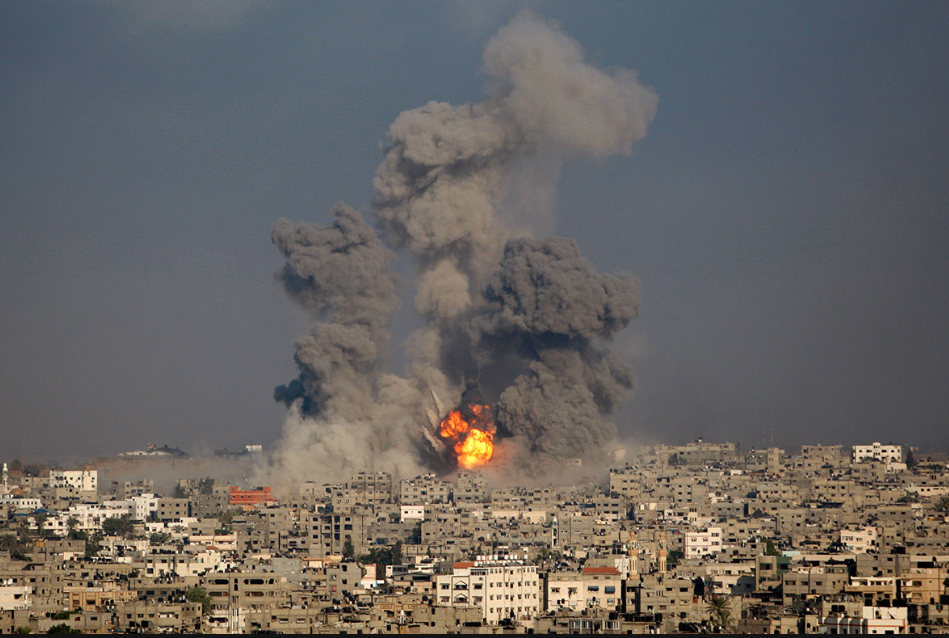
The existing situation in Gaza has become a pivotal point of global concern, with extensive reports of intense bombardment and civilian casualties dominating headlines. The actions of the Israeli military in the region have sparked heated debates, raising allegations of extensive destruction and loss of innocent lives.
This blog post intends to shed light on the ongoing conflict between Israel and Palestine (Gaza), emphasizing the humanitarian crisis unfolding in Gaza while maintaining a balanced perspective. Gaza is the holy place for both nations.
Understanding the Context:
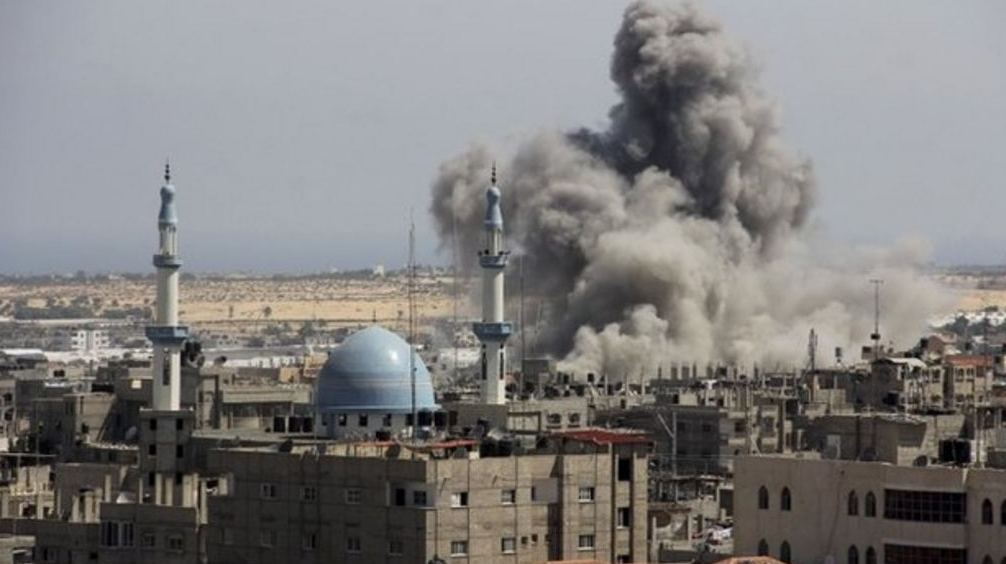
The Israeli-Palestinian conflict is deeply rooted in multifaceted historical, political, and religious dynamics. While acknowledging these complexities, it is crucial to zoom in on the recent developments that have provoked significant concerns regarding Israel’s actions in Gaza. The world needs to understand that by historical data this land belongs to Palestinians and they are the ones who gave rescue to these refuges who became Israel.
The Plight of Innocent Civilians:
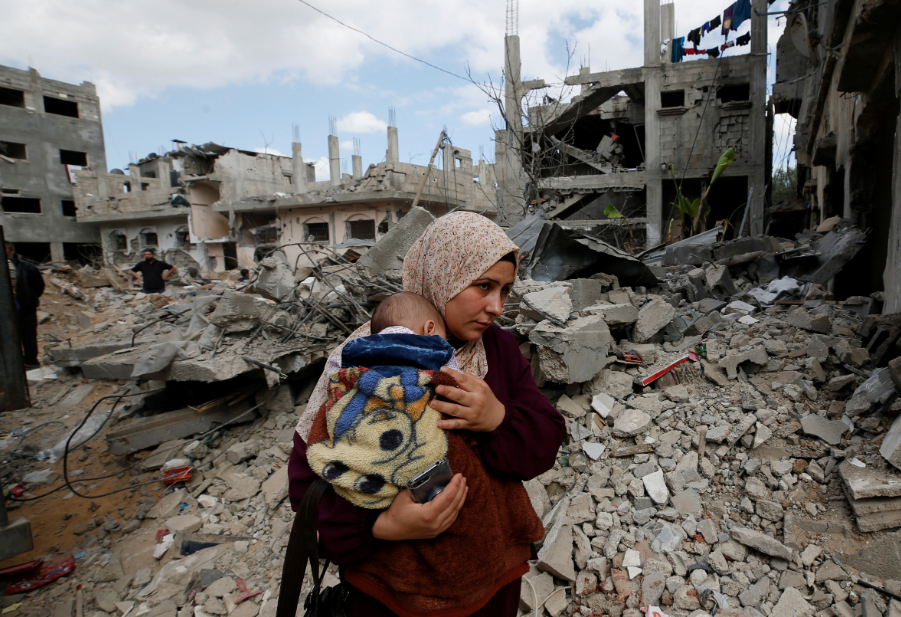
Undoubtedly, the most distressing facet of the conflict is the loss of innocent lives, including children, amidst the escalated Israeli operations. Indiscriminate airstrikes on civilian areas have led to heartbreaking casualties, escalating antipathy and anger. These tragic deaths underscore the urgent need for a peaceful resolution to the conflict.
Targeting Hospitals and Infrastructure:
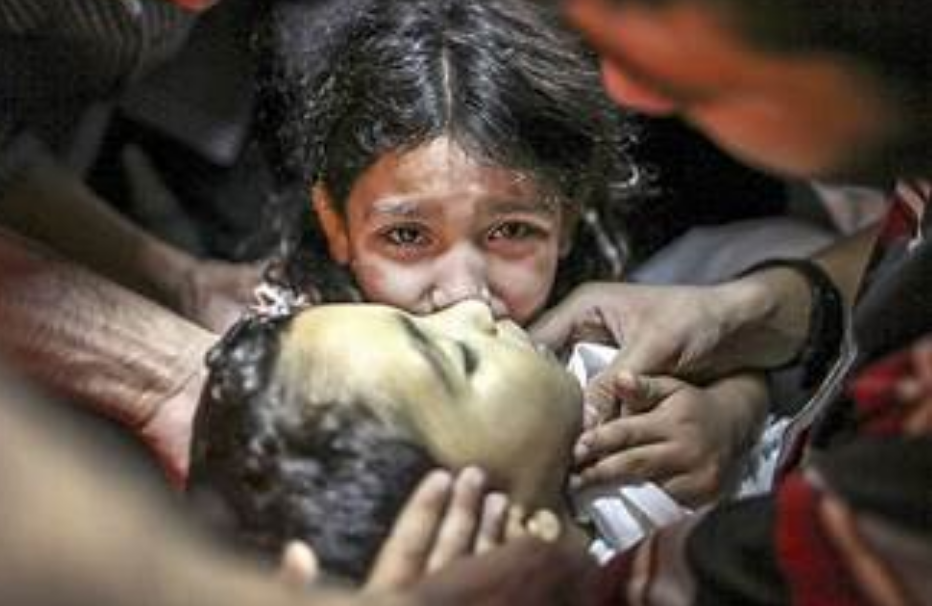
A disconcerting aspect of the ongoing conflict is the reported attacks on hospitals and essential infrastructure. Hospitals, considered sanctuaries, are meant to provide lifesaving medical care to all, regardless of origin. Deliberate attacks on medical facilities violate international humanitarian law, exacerbating the already dire situation for the people of Gaza.
The Cycle of Violence:
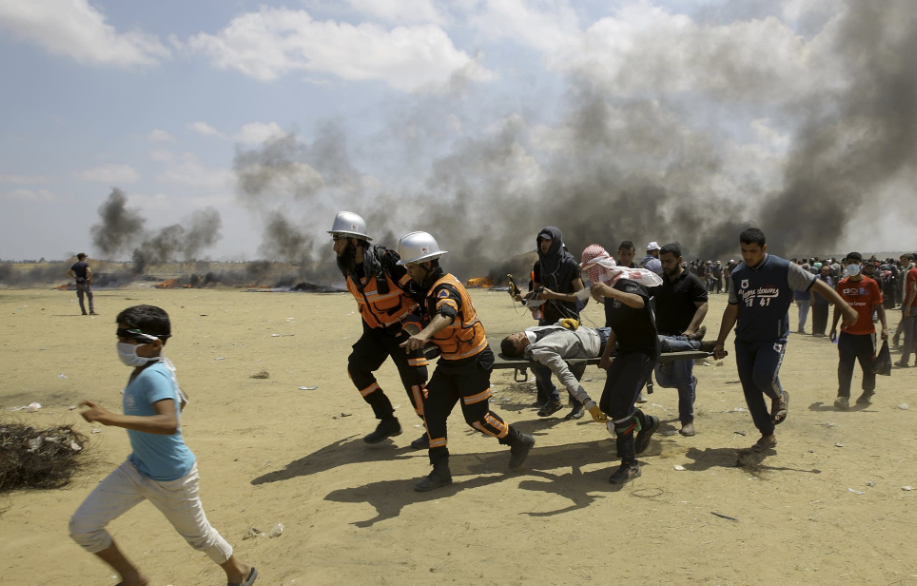
It is essential to recognize that the current conflict is not one-sided but a manifestation of a longstanding cycle of violence in the region. However, this historical context cannot justify the excessive use of force and the disproportionate humanitarian toll on the Palestinian population, especially in compactly populated areas like Gaza.
The International Community’s Response: As the conflict escalates, the international community increasingly calls for a ceasefire, urging both parties to safeguard civilian lives. Humanitarian organizations and nations worldwide express their concerns, applying diplomatic pressure to find a peaceful resolution. Global leaders must engage constructively, fostering dialogue and advocating for an end to the bloodshed.
Require Supportable Peace:
The current situation underscores the urgent need for sustainable peace between Israel and Palestine. Achieving this requires a dialogue addressing the root causes, including land rights, settlements, and the aspirations for self-determination. Muslim leaders should have played a vital role and must intervene in this as this is their religious responsibility. A just and inclusive process is essential for a lasting solution, ensuring the well-being and security of both Israelis and Palestinians.
Conclusion:
The ongoing conflict in Gaza demands immediate attention from the international community. Israel’s actions, amid allegations of civilian and infrastructure targeting, must undergo thorough investigation for accountability and justice. Above all, a comprehensive resolution must be pursued, aiming for a sustainable peace that respects the rights and aspirations of both Israelis and Palestinians. Through dialogue, compromise, and empathy, healing can occur, paving the way for a brighter future for all involved.

Leave a Comment