

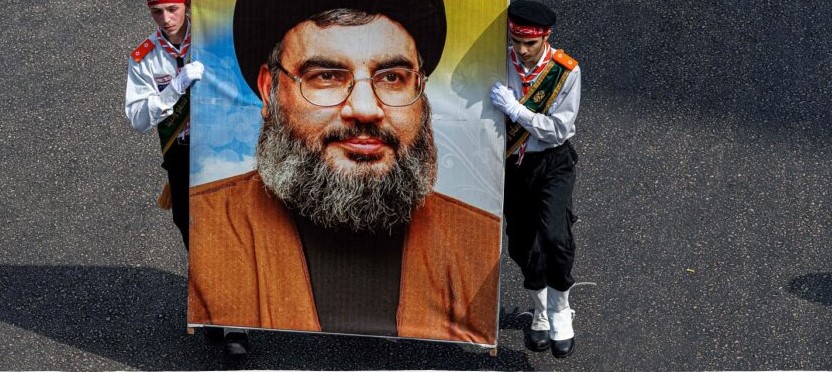

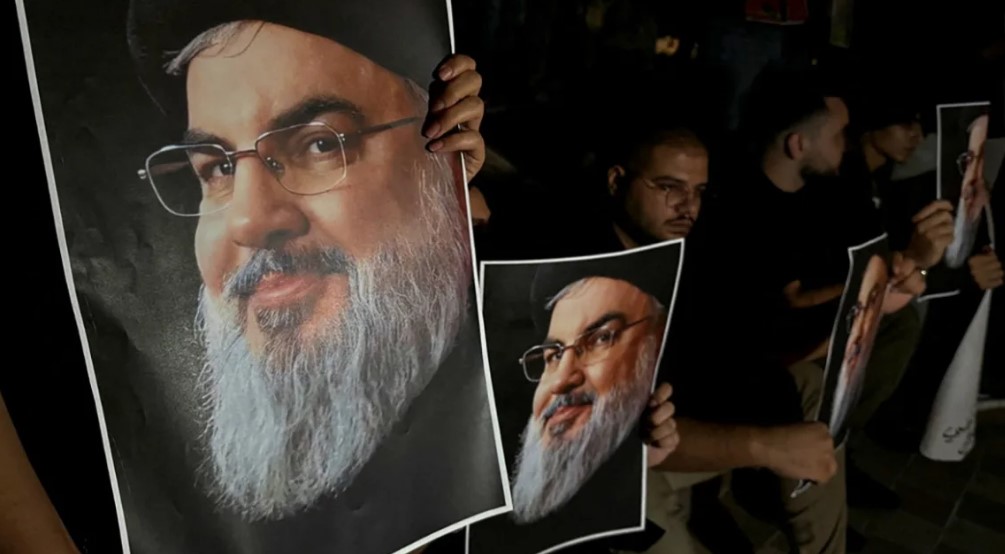
The recent death of Hassan Nasrallah, the long-standing leader of Hezbollah, marks a significant turning point not only for the organization but also for Lebanon and the wider Middle East. At 64, Nasrallah’s influence has shaped political and sectarian dynamics in the region for over three decades.
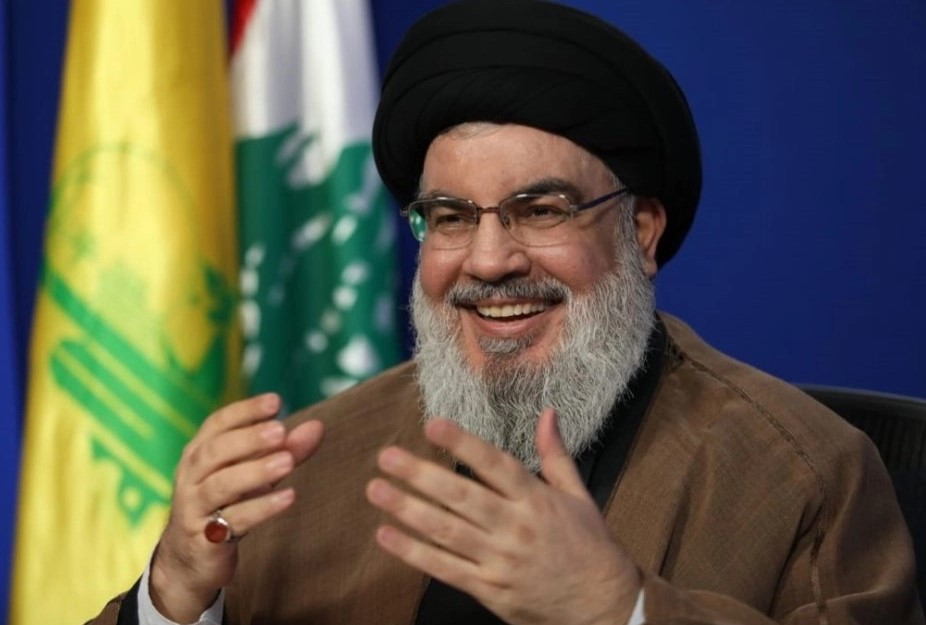
The Impact of His Assassination
Nasrallah was killed in a massive Israeli air attack on Beirut, confirming the long-standing tensions between Israel and Hezbollah. His assassination raises questions about the future of Hezbollah, an organization that has positioned itself as a key player in the resistance against Israel.
A Symbol of Resistance
For many, Nasrallah personified resistance, especially following the 2006 war with Israel, where he gained hero status among supporters. However, his involvement in the Syrian conflict shifted perceptions, causing many to view him as a leader of Iranian interests rather than a national hero.
The Rise of Nasrallah: From Childhood to Leadership
Born in 1960 in East Beirut, Nasrallah’s early life was marked by political strife and a burgeoning interest in Shia Islam. His political journey began with the Movement of the Deprived, which laid the groundwork for what would eventually become Hezbollah.
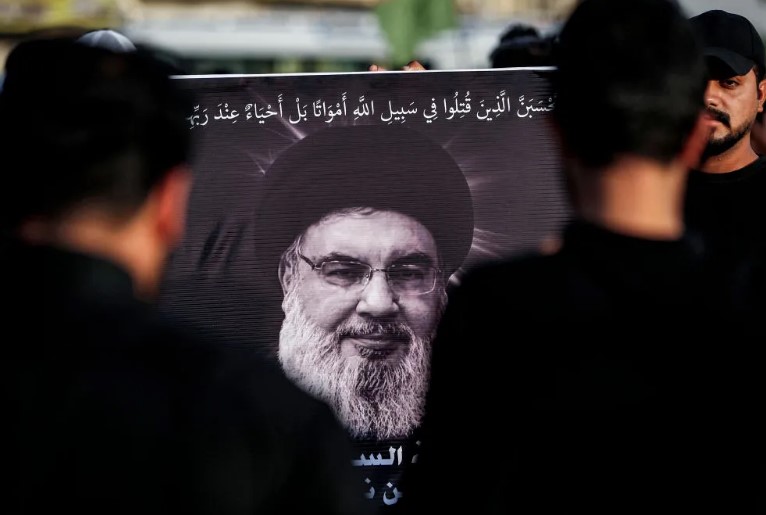
A Charismatic Leader
Nasrallah’s charisma was instrumental in his rise. He utilized media effectively, becoming a voice for the oppressed and employing emotional rhetoric that resonated deeply with his audience. His ability to connect with everyday people set him apart as a leader, even as he operated from behind the scenes without holding formal political office.
Hezbollah’s Evolution Under Nasrallah
Under Nasrallah’s leadership, Hezbollah evolved from a militia to a significant political force in Lebanon. The organization participated in elections and aimed to integrate into Lebanon’s complex political landscape, a notable shift from its original military-focused agenda.
Controversial Alliances
However, Hezbollah’s alliance with Iran has drawn criticism from various quarters, particularly within the Sunni Arab world. Accusations of pursuing Iranian interests over national concerns have plagued Hezbollah’s image, complicating Nasrallah’s legacy.
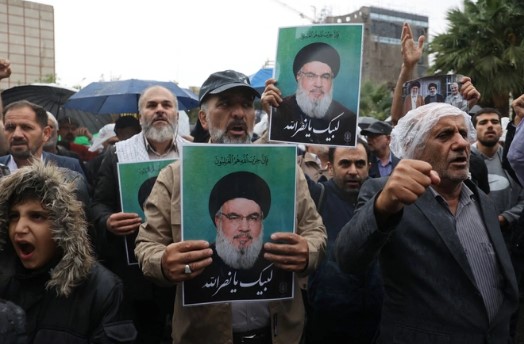
The Path Forward for Hezbollah
With Nasrallah’s assassination, Hezbollah faces an uncertain future. The organization will need to select a new leader who can navigate Lebanon’s complex political landscape while maintaining its Shia base’s loyalty and addressing internal and external challenges.
Possible Successors
Speculation about potential successors is rife, with figures like Naim Qassem and Hashem Safieddine emerging as likely candidates. The choice of new leadership will be crucial in determining Hezbollah’s direction, especially in the context of ongoing tensions with Israel and the broader geopolitical landscape.
Conclusion: A Complex Legacy
Hassan Nasrallah’s death is not just a loss for Hezbollah but a significant moment in Middle Eastern politics. His leadership embodied a complex interplay of resistance, sectarian identity, and political maneuvering. The future of Hezbollah and Lebanon will undoubtedly be shaped by the consequences of his assassination, as the organization seeks to redefine itself in a post-Nasrallah era.
Further Reading
The Geopolitical Implications of Nasrallah’s Death
Hassan Nasrallah’s Impact on Shia Identity in Lebanon
For more insights and updates, log in to blogy365.com to stay informed on the latest developments.

Leave a Comment