

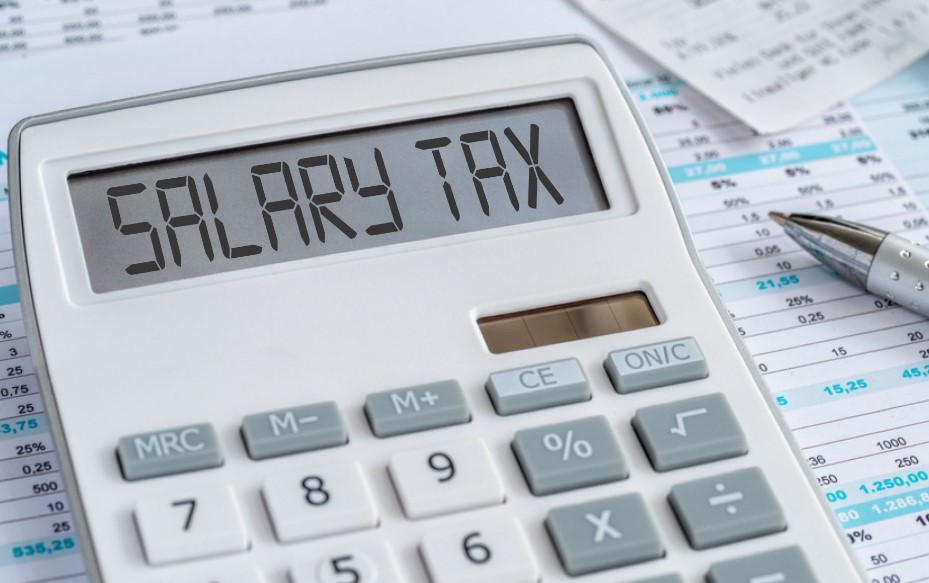

The federal government of Pakistan has unveiled the budget for the fiscal year 2024-25, introducing significant income tax reforms aimed at aligning with international standards. Presented in the National Assembly, these changes have sparked considerable discussion about their potential impact on salaried individuals.
Proposed Income Tax Reforms
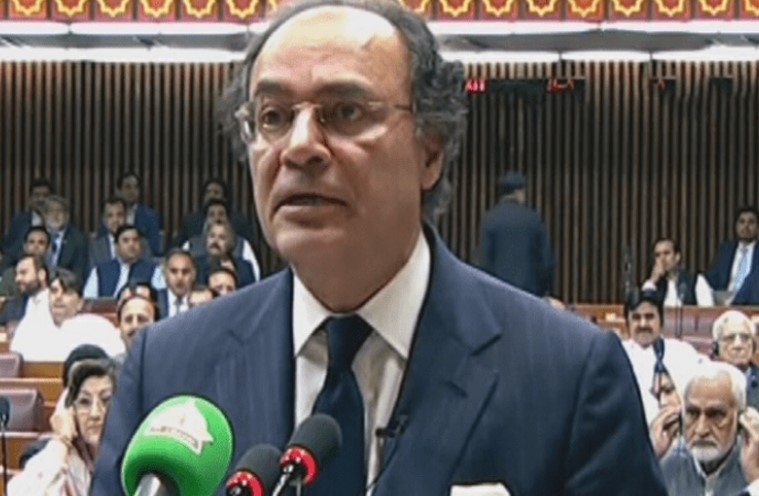
During the budget session, Finance Minister Muhammad Aurangzeb outlined the proposed changes, emphasizing the necessity for personal income tax reforms.

Key Changes for the Salaried Class
One of the major highlights of the new budget is the changes to the income tax slabs for salaried individuals. Here’s a breakdown of the proposed tax rates:
- Income between Rs 600,000 and Rs 1,200,000: This bracket will now be taxed at 5%. For instance, individuals earning Rs 100,000 monthly will see their monthly tax increase from Rs 1,250 to Rs 2,500.
- Income between Rs 1,200,000 and Rs 2,200,000: The tax rate for this bracket will rise to 15%. Monthly earners of Rs 183,344 will now pay Rs 15,000 in income tax, up from Rs 11,667.
- Income between Rs 2,200,000 and Rs 3,200,000: This category will face a tax rate of 25%. Those with a monthly salary of Rs 267,667 will see their tax increase from Rs 28,770 to Rs 35,834.
Implications for Non-Salaried Individuals
For non-salaried individuals, the maximum tax rate is proposed to be set at 45%. This significant hike aims to ensure that higher earners contribute a fair share to the national revenue.

Additional Tax Reforms
The government has proposed maintaining the minimum and maximum tax slab rates but has hinted at potential adjustments to the slabs in the future. This approach aims to create a fairer tax system that aligns better with international standards while addressing the needs of various income groups.
Rationale Behind the Reforms of Income Tax
Finance Minister Aurangzeb emphasized that these reforms are designed to enhance the efficiency of the tax system, ensure equitable tax distribution, and foster economic growth. The government aims to create a more balanced and fair tax structure by reducing tax burdens on lower-income groups and adjusting rates for higher earners. The government aims to create a more balanced and fair tax structure by reducing tax burdens on lower-income groups and adjusting rates for higher earners.
World Bank – Taxation in Pakistan
Impact on Salaried Individuals of Income Tax
The proposed changes have raised concerns among the salaried class, particularly those in the middle-income brackets. The increased tax burden could lead to financial strain for many families who are already grappling with rising living costs. The government’s decision to maintain the income tax exemption on incomes up to Rs 600,000 annually provides some relief, but the increased rates for other brackets may offset this benefit.
Call for Government Reconsideration
Given the potential financial impact on the salaried class, there is a growing call for the government to reconsider these reforms. The increased tax burden could reduce disposable income, affecting the quality of life for many individuals and families. Policymakers are urged to reassess the proposed changes and consider adjustments that would lessen the financial strain on middle and lower-income groups.
Conclusion
While the government’s intention to align the tax system with international standards is commendable, the proposed changes could have significant implications for salaried individuals. As the debate continues, it remains crucial for the government to balance fiscal objectives with the financial well-being of its citizens. For more insights into the proposed tax reforms and their potential impact, visit official government resources.
Stay tuned for more info: Blogy365.com
Leave a Comment