

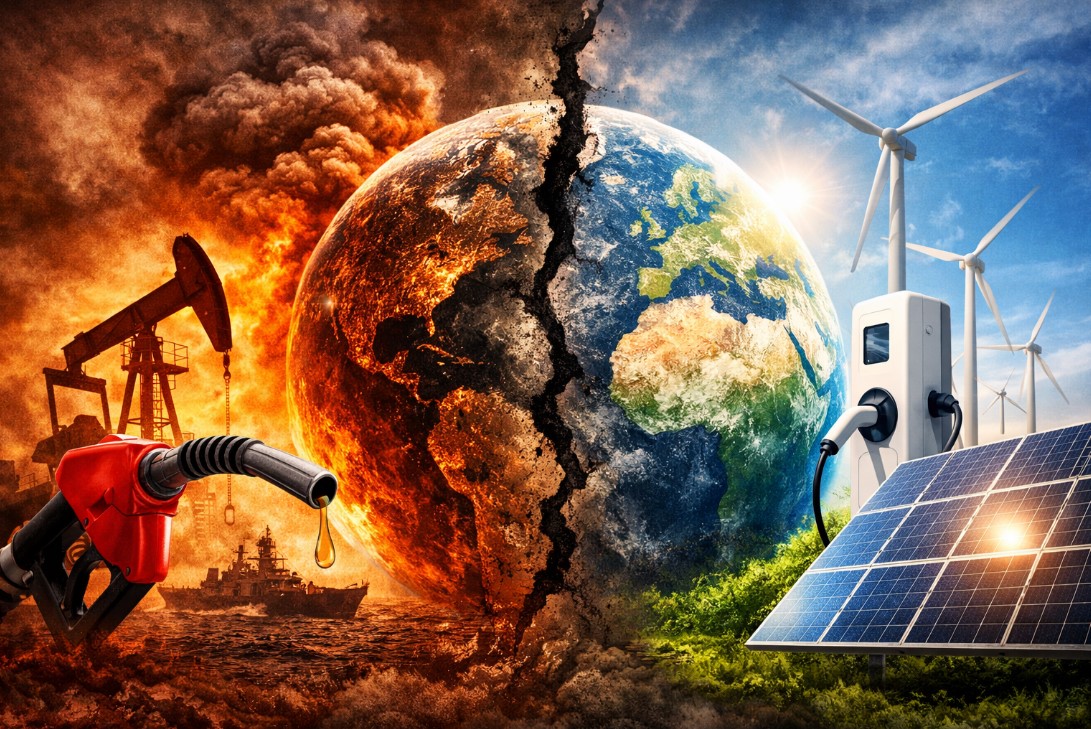

Right now, the global energy system is being stress tested. The recent tensions around the Strait of Hormuz have exposed a truth many ignored for decades: the world is still deeply tied to oil, and that dependency comes with risk.
Let me explain what is really happening and where this is heading.
⚠️🌐 Why One Chokepoint Can Shake the Entire World
A huge portion of the world’s oil flows through a single narrow route, the Strait of Hormuz. When instability hits this region, supply chains react instantly.
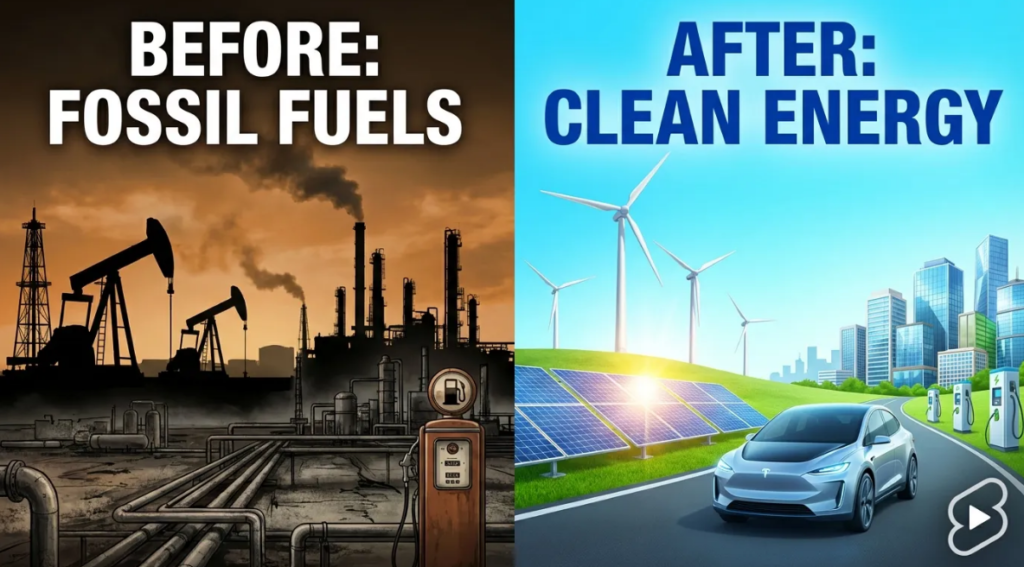
Here is what matters:
- Global economies still run on oil
- Transportation, manufacturing, and logistics depend on it
- A disruption in one place creates ripple effects everywhere
This is not just a regional issue. It is a global vulnerability.
For deeper context on global energy flows, see…..
Read Also: Secret Behind War
🔋☀️ The Real Question: Can the World Run Without Oil?
The short answer is yes. The honest answer is not overnight.
What we are seeing now is not a collapse. It is a transition.
☀️🌬️ Solar and Wind Are Becoming the New Power Backbone
Renewable energy is no longer a future concept. It is happening now.
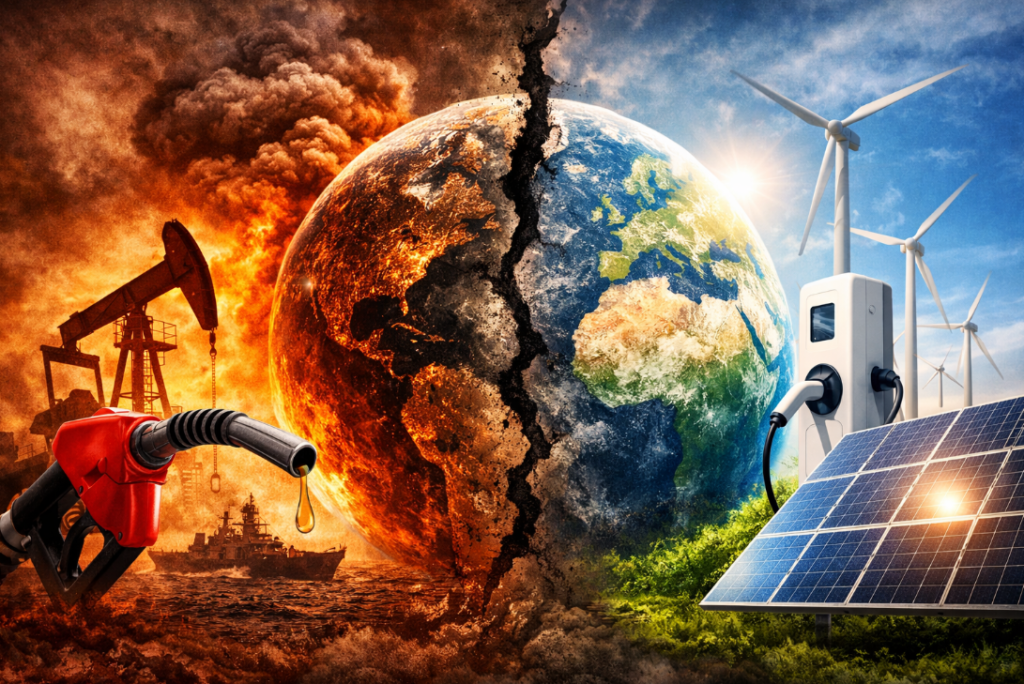
- Once installed, solar and wind require no fuel
- They are immune to geopolitical disruptions
- Costs continue to fall every year
Countries like Pakistan are already seeing rapid solar adoption at the household level.
Read Also: The War Behind Headlines
Experts widely agree that renewables are the strongest hedge against global energy shocks. Learn more from
🚗⚡ Electric Vehicles Are Quietly Killing Oil Demand
Transport is the biggest consumer of oil. This is where the shift gets serious.
Electric vehicles change the equation:
- They cut direct oil consumption
- They run on electricity from multiple sources
- They reduce long-term fuel dependency
As EV adoption grows, every new vehicle weakens oil’s grip on the economy.
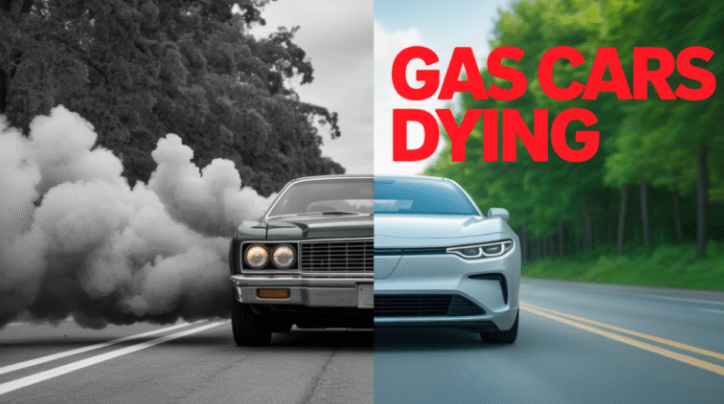
Explore global EV trends here:
Read Also: Death of the Engine, Let’s Rule by EV
⚛️🔌 Nuclear Energy Is the Silent Stabilizer
It may not get the same attention, but nuclear energy plays a critical role.
- It provides stable, continuous power
- It does not rely on oil or gas
- It supports national energy independence
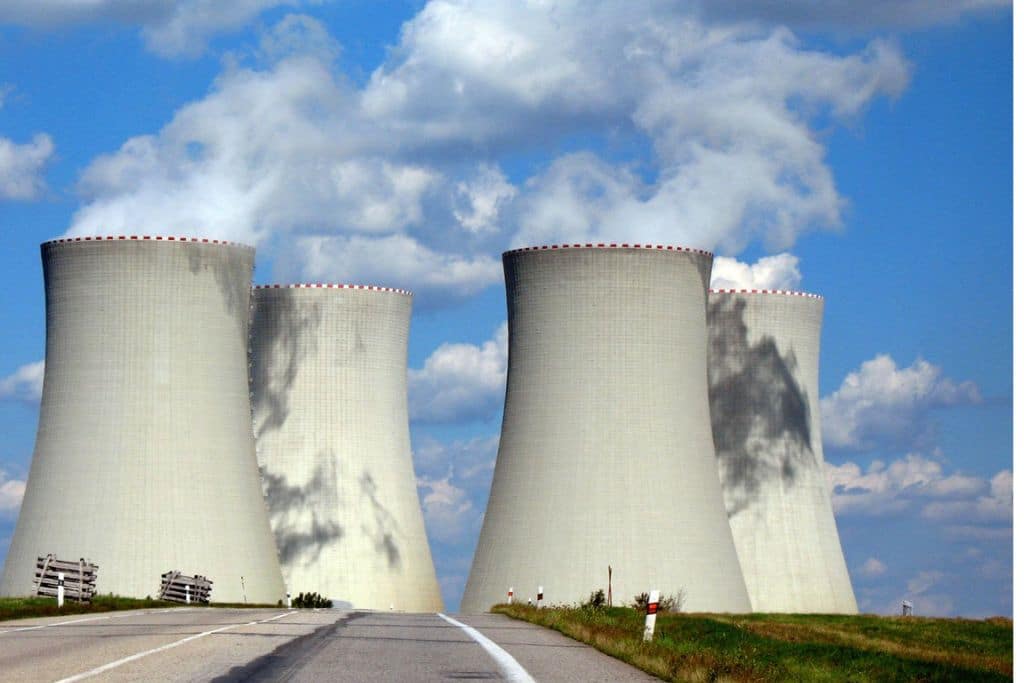
Countries like France already generate most of their electricity through nuclear systems.
Read Also: The Trap
🏡🔄 Decentralized Energy Is the Real Game Changer
This is where things get interesting.
Old model:
- Oil extracted in one region
- Transported globally
- Refined and distributed
New model:
- Energy produced locally
- Solar rooftops, wind farms, hydro systems
- Less reliance on global supply chains
This shift toward decentralization reduces the impact of any single conflict.
⚙️📉 The Hard Reality: Why the Shift Is Slow
If alternatives exist, why not switch instantly?
Because the global economy is deeply built on oil.
- Factories rely on petroleum products
- Transportation networks are oil-based
- Even everyday items like plastics depend on it
This creates a lag between innovation and adoption.
📊💥 Short Term Pain, Long Term Transformation
What we are witnessing is a classic transition phase.
Short term:
- Rising fuel prices
- Supply disruptions
- Economic pressure
Long term:
- Accelerated investment in renewables
- Faster EV adoption
- Stronger push for energy independence
Every crisis speeds up change.
🧠📈 Strategic Insight: Crises Don’t Break Systems, They Upgrade Them
Historically, every major disruption forces innovation.
The current situation is doing the same.
- Governments are rethinking energy security
- Businesses are investing in alternatives
- Consumers are adopting new technologies
This is not just survival. It is evolution.
🏁🚀 Bottom Line
- The world can run without oil and is slowly moving in that direction
- The transition is real but not complete
- Every geopolitical shock accelerates the shift
The Iran-related tensions are not just a crisis. They are a catalyst.
And the biggest opportunities are always hidden inside these moments.
For further insights, keep visiting blogy365.com
Leave a Comment