


A Heartfelt Islamic Reflection on Human Weakness, Sin, Repentance, and Returning to Allah
We know that life is a test. We know that our actions have consequences. We are taught that righteousness leads to Allah’s pleasure and that sin can lead us away from His guidance. We believe in Jannah and Jahannam, yet we still find ourselves committing sins, neglecting our prayers, wasting precious time, and becoming distracted from remembering Allah.
Why does this happen?
Why do we sometimes knowingly walk towards what we know is wrong? Why do we repeatedly make promises to change, only to fall into the same mistakes again? And why do we remember Allah most intensely when life becomes difficult, yet sometimes forget Him when everything is going well?

These are uncomfortable questions, but perhaps they are exactly the questions our hearts need to face.
🕌 1. Why Do We Sin When We Know the Consequences?
Human beings are not guided by knowledge alone. We may know what is right, yet struggle to act upon it.
We know that lying damages trust, but we lie to escape consequences. We know that backbiting hurts others, but we join conversations that damage someone’s reputation. We know that prayer is important, yet postpone it because worldly responsibilities seem more urgent.

The problem is not always a lack of knowledge. Sometimes, it is the struggle between what we know is right and what we desire in the moment.
Our desires promise immediate pleasure. Accountability belongs to a future we cannot see. When immediate gratification becomes more important than our relationship with Allah, we begin making excuses for choices we once knew were wrong.
A small compromise becomes a habit. A habit becomes part of our routine. Eventually, something that once troubled our conscience may begin to feel normal.
That is why we must guard not only our actions but also the thoughts and excuses that make those actions easier to repeat.
💔 2. Why Does the Fear of Allah Sometimes Feel So Distant & Lead to Sin?
One of the greatest dangers to the heart is becoming comfortable with heedlessness.
When we are constantly occupied with money, status, entertainment, competition, and worldly ambitions, remembrance of Allah can gradually lose its place in our daily lives.
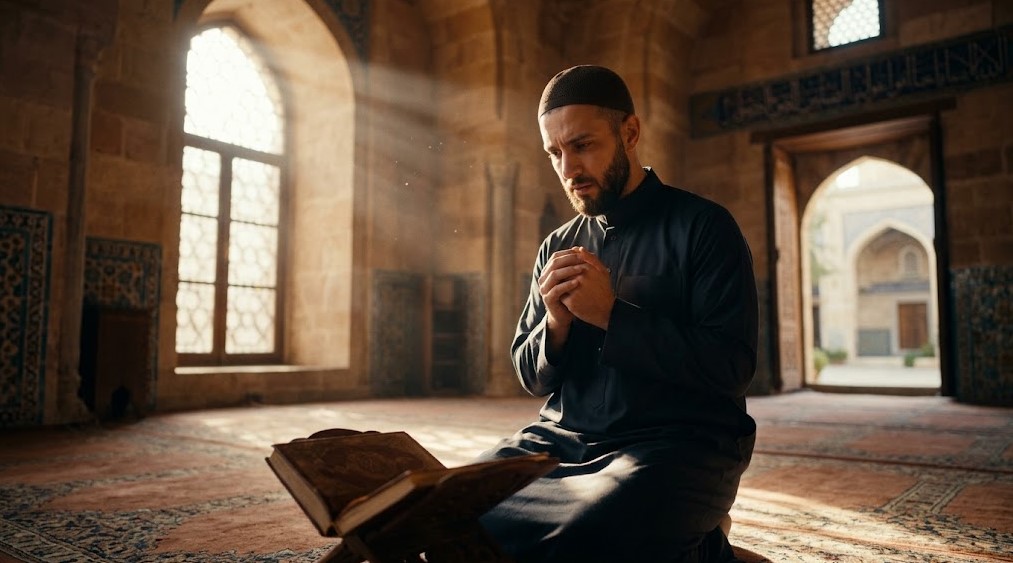
We may still identify as Muslims. We may still believe in Allah. Yet our everyday decisions may reveal how little time we give to reflection, prayer, gratitude, and accountability.
Allah warns us in the Quran:
“And be not like those who forgot Allah, so He made them forget themselves.”
Surah Al Hashr 59:19
This verse invites us to reflect on what happens when remembrance of Allah disappears from our priorities. We can become so absorbed in worldly pursuits that we lose sight of our purpose, our character, and the condition of our own hearts.
The question is not simply whether we remember Allah with our tongues. It is whether remembering Him influences the way we earn, speak, treat our families, conduct business, and behave when nobody is watching.
🪞 3. Why Have We Become So Bold About Sin?
Perhaps the most troubling question is this: Why do we sometimes commit sins without the shame or hesitation we once felt?
One reason is repeated exposure. When we repeatedly engage in wrongdoing, justify it, or surround ourselves with people who treat it as normal, our resistance may weaken.
Another reason is the illusion that there will always be another opportunity to repent.
We tell ourselves that we will change tomorrow. We will pray regularly when life becomes less busy. We will leave the bad habit when we are older. We will ask forgiveness when we feel ready.
But tomorrow is not guaranteed.
The greatest danger is not simply falling into sin. It is reaching a point where we no longer care enough to struggle against it.
A believer should never treat wrongdoing lightly or assume that divine mercy makes accountability irrelevant. At the same time, we must not confuse sincere concern about sin with believing that we are beyond forgiveness.
The heart needs both humility before Allah and hope in His mercy.
📖 4. What Does the Quran Teach Us About People Who Fall Into Sin?
The Quran does not pretend that righteous people never make mistakes. Instead, it describes what they do when they fall.
Allah says:
“And those who, when they commit an immorality or wrong themselves, remember Allah and seek forgiveness for their sins.”
Surah Ali Imran 3:135
Read the complete verse on Quran.com
The verse continues by reminding us that Allah alone forgives sins and praises those who do not knowingly persist in wrongdoing.
This is a profound lesson.
Our goal should not be to convince ourselves that we are incapable of sin. Our goal should be to recognise our mistakes, seek forgiveness sincerely, and make a genuine effort not to repeat them.
If we hurt someone, we should try to make things right. If we earn through dishonest means, we should correct our conduct. If we neglect our obligations, we should return to them.
Repentance is not merely saying a few words while planning to continue the same behaviour without concern. It involves sincere regret, turning away from the wrongdoing, and resolving to do better. When another person’s rights have been violated, those rights must also be addressed as far as possible.
🌧️ 5. Have We Become Too Comfortable With Allah’s Mercy?
There is a beautiful truth that every believer should remember: Allah’s mercy is vast.
But there is a difference between hoping for forgiveness and using the promise of forgiveness as an excuse to continue sinning.
Allah says:
“Do not despair of the mercy of Allah.”
Surah Az Zumar 39:53
This is a message of hope for people who have made mistakes, even serious ones. No sincere seeker should conclude that returning to Allah is pointless.
Yet the following verse, 39:54, also calls people to return to their Lord and submit to Him.
Together, these verses teach us not to surrender to despair and not to delay repentance carelessly.
If you have made mistakes, return to Allah. If you have repeated them, return again with sincerity and renewed effort. If you have hurt someone, take responsibility. If you have neglected prayer, begin restoring it to your life.
Never allow guilt to convince you that change is impossible. Let it become the reason you finally begin.
⏳ 6. Why Do We Remember Allah in Hardship but Forget Him in Comfort?
Think about the moments when life becomes frightening.
When illness enters our homes, we pray with urgency. When financial problems overwhelm us, we raise our hands in supplication. When someone we love is in danger, we remember how dependent we truly are.
But when our problems ease, our routines can return to their old patterns.
Gratitude should not disappear when hardship disappears.
Allah’s blessings are present in ordinary moments too: a breath without pain, a meal on the table, the ability to work, the safety of our families, and another morning in which we can correct our mistakes.
Remembering Allah should not be reserved for emergencies. It should shape our lives during both difficulty and ease.
A heart that remembers its Creator in comfort is better prepared to face hardship with patience and faith.
🕊️ 7. How Can We Return to Allah Before It Is Too Late & Leave Sin?
Change does not always begin with a dramatic transformation. Often, it begins with one honest decision.
Here are seven practical steps to help rebuild your relationship with Allah.
First, protect your prayers. Begin by taking your five daily prayers seriously. If your routine is weak, work on restoring consistency rather than waiting for a perfect moment.
Second, read the Quran regularly. Even a small daily portion, accompanied by reflection on its meaning, can help bring your priorities back into focus.
Third, identify your recurring sins. Be honest with yourself about the situations, habits, and influences that repeatedly lead you towards wrongdoing.
Fourth, remove unnecessary temptations. Change the routines, digital habits, or environments that make it easier to repeat a harmful behaviour.
Fifth, seek forgiveness every day. Make sincere istighfar part of your routine and remember that repentance should lead to action.
Sixth, repair the harm you have caused. Apologise where appropriate, restore people’s rights, and correct dishonest or unfair conduct.
Seventh, keep good company. Spend time with people who encourage honesty, prayer, humility, and responsibility rather than making you comfortable with wrongdoing.
Do not wait until you feel perfectly religious to begin. Start where you are, and keep moving towards what is right.
❤️ 8. The Question We Should Ask Ourselves Tonight
Before judging another person, let us pause and examine our own lives.
How many prayers have we delayed without a valid reason?
How many times have we spoken harshly to someone who trusted us?
How often have we chosen personal gain over honesty?
How much time have we spent pursuing worldly success while neglecting the condition of our hearts?
And if our lives ended sooner than we expected, what unfinished repentance, unresolved injustice, or neglected obligation would we regret most?
These questions are not meant to destroy our hope. They are meant to awaken our conscience.
We cannot change yesterday. We cannot guarantee tomorrow. But we can make a sincere choice today.
The door to repentance is a blessing. Let us not treat it as an excuse to delay returning to Allah.
🤲 9. A Dua for a Heart That Wants to Return to Allah
O Allah, forgive our sins, both those we recognise and those we fail to recognise.
O Allah, soften our hearts when they become careless, strengthen our faith when our desires overpower our judgment, and guide us when we begin to lose our way.
Help us remember You in times of comfort as sincerely as we remember You in times of hardship.
Give us the courage to abandon wrongdoing, the humility to admit our mistakes, and the determination to repair the harm we have caused.
Do not let our worldly ambitions distract us from our purpose. Grant us sincere repentance, righteous actions, and a beautiful end to our lives.
Ameen.
🌙 Final Reflection: If We Know the Truth, What Is Stopping Us?
We know that our lives are temporary. We know that our actions matter. We know that we will ultimately return to Allah.
Yet knowledge must become action before it can transform our lives.
Perhaps the most important question is not why human beings sometimes sin. It is what we choose to do after recognising our mistakes.
Will we keep making excuses, or will we begin changing?
Will we allow repeated wrongdoing to harden our hearts, or will we seek forgiveness and make things right?
Will we continue postponing our return to Allah, or will we take the first step today?
May Allah guide our hearts, forgive our shortcomings, protect us from heedlessness, and make us among those who sincerely return to Him. Ameen.
If this reflection reminds you of something important, share it with someone who may need a gentle reminder. Sometimes, a sincere message can encourage a person to take the first step towards a better life.
Authoritative External Links:
-
Quran, Surah Al Hashr 59:19 for remembering Allah.
-
Quran, Surah Ali Imran 3:135 for seeking forgiveness after wrongdoing.
-
Quran, Surah Az Zumar 39:53 for hope in Allah’s mercy.
-
Quran, Surah Az Zumar 39:54 for returning to Allah.
For further insights, keep visiting blogy365.com



1 Comment